
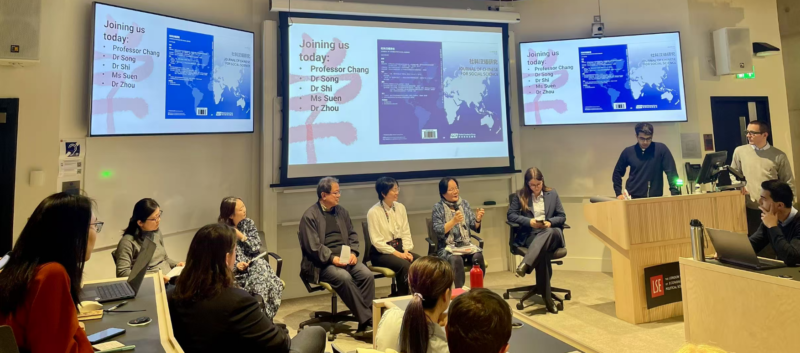
《社科汉语研究期刊》编委会成员参加第三届中国主题学生研究论坛(LSE)
2025 年 3 月 22 日,《社科汉语研究期刊》班委会成员参加应邀参加由伦敦政治经济学院(LSE)主办的第三届中国主题学生研究论坛(Third China-Focus Student Research Forum)。与会人员包括:全球中国学术院(GCA)院长、全球世纪出版社总编辑常向群教授;伦敦大学亚非学院语言、文化与语言学学院首席教学研究员、《社科汉语研究期刊》(JCSS)联合创刊编辑宋连谊博士;《社科汉语研究期刊》主编、伦敦政治经济学院中文部副主任施黎静博士;《社科汉语研究期刊》执行主编、伦敦大学亚非学院语言、文化与语言学学院首席语言讲师宣力女士;以及伦敦国王学院中文教育高级讲师周红芬博士。
继 2023 年 5 月在伦敦大学亚非学院(SOAS)举办的首届论坛,以及 2024 年 6 月由伦敦国王学院(King’s College London)主办的第二届论坛 之后,本届论坛由 LSE 语言中心组织,活动负责人为普通话助理协调人施黎静博士,并得到学生志愿者团队的大力支持。
论坛于当日下午 1:00 至 4:00 在 LSE 校园(MAR.1.04)举行,标志着这一由学生发起、跨校协作的中国研究论坛连续举办第三年。论坛汇聚了来自 LSE、伦敦国王学院(KCL)和 SOAS 的学生,延续了以双语交流与跨学科对话为核心的论坛传统。
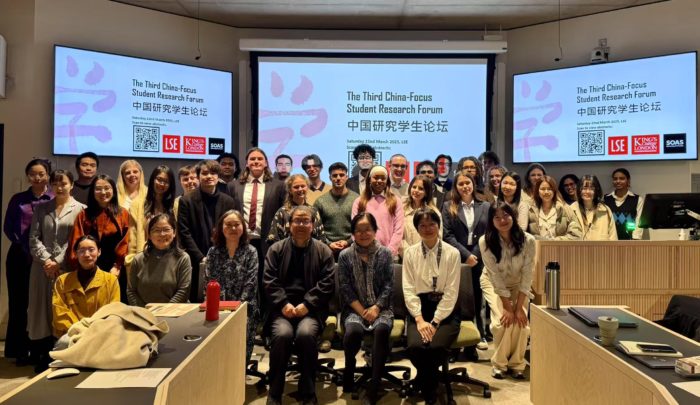
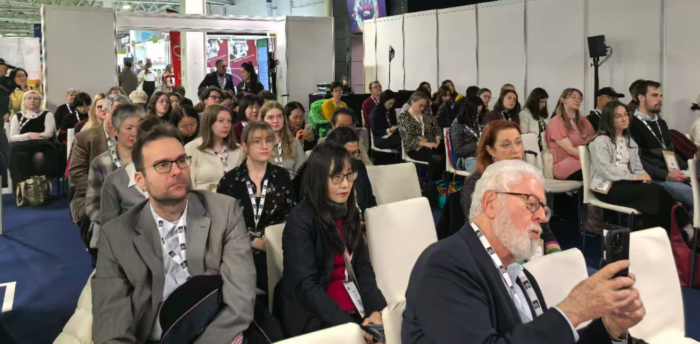
论坛共安排 13 位学生进行研究报告,报告语言涵盖中文与英文,内容涉及当代中国研究的多个领域。每场报告均设有简短问答环节,并在中场安排茶歇,为参与者提供充分的交流与讨论空间。图中最后一排右一为 宋连谊博士就学生报告提出问题。
伦敦大学亚非学院语言、文化与语言学学院首席讲员宣力Lik Suen女士(左)为学生报告作学术点评,提供专业而建设性的反馈。论坛还举行了颁奖仪式与交流环节,进一步加强了参与学生与机构之间的学术联系。照片右侧为 史黎静博士为获奖学生颁奖。
本届论坛的一大亮点是与 《中国社会科学中文期刊》(Journal of Chinese for Social Sciences, JCSS) 编辑团队的专题问答环节。常向群教授应邀分享了关于学术写作、研究深化与发表路径的经验,结合全球中国学术院长期推动青年学者与学生学术发表的平台建设,进一步将学生研究与正式学术出版体系连接起来,体现了学术共同体的连续性与支持性。
第三届中国主题学生研究论坛展示了这一学生主导型学术平台的成熟发展,也体现了高校语言中心、学生社团与全球中国学术院之间持续的合作关系。通过双语报告、编辑交流与跨校参与,该论坛持续培育新一代中国研究学者,并以学术交流的方式推动转文化知识生产与公共学术实践的发展。
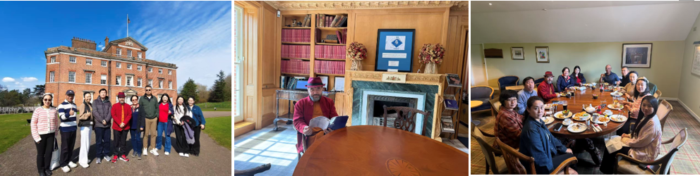
相关照片
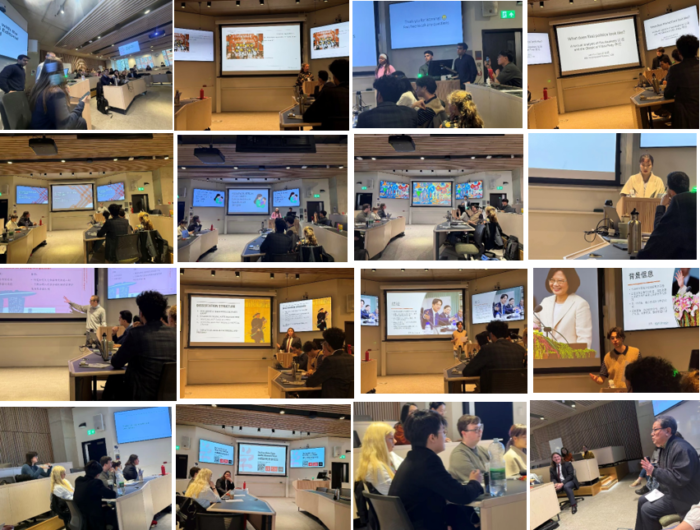
图片一(照片不完整、顺序随机,可更新)
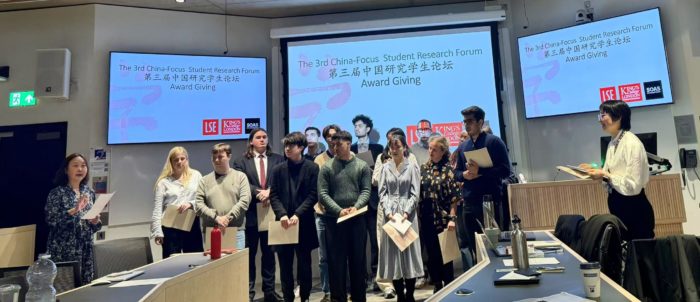
图片二(学术点评与颁奖)
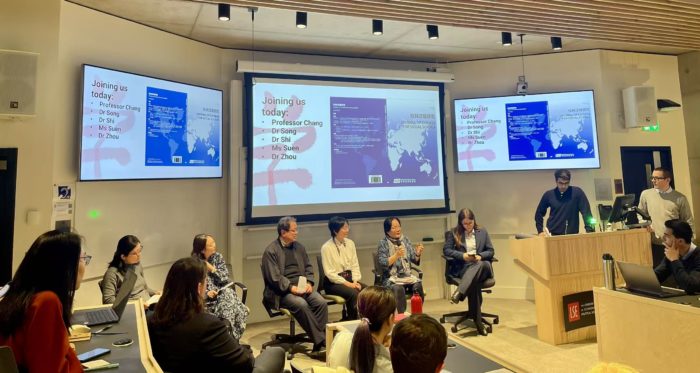
图片三(《社科汉语研究期刊》编辑交流)
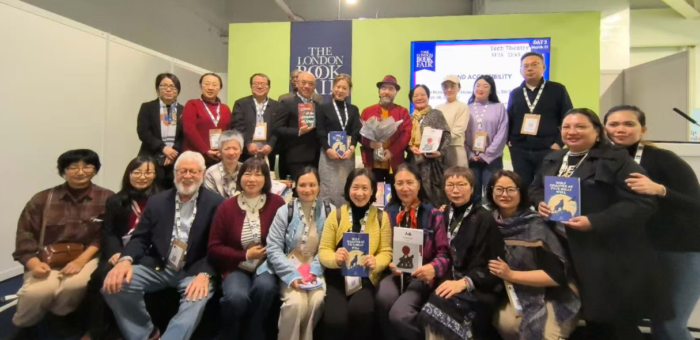
图片四(合影)
Editors of the Journal of Chinese for Social Sciences Participate in the Third China-Focused Student Research Forum at LSE
On 22 March 2025, members of the editorial board of the Journal of Chinese for Social Sciences participated in the 3rd China-Focus Student Research Forum, hosted by the London School of Economics and Political Science (LSE).
The participants included: Professor Xiangqun Chang, President of the Global China Academy (GCA) and Editor-in-Chief of Global Century Press; Dr Lianyi Song, Principal Teaching Fellow in the School of Languages, Cultures and Linguistics at SOAS and co-founding editor of the Journal of Chinese for Social Sciences (JCSS); Dr Lijing Shi, Editor-in-Chief of JCSS and Deputy Head of the Chinese Division at LSE; Ms Lik Suen, Executive Editor of JCSS and Principal Lector in the School of Languages, Cultures and Linguistics at SOAS; and Executive Editor of JCSS and Dr Hongfen Zhou, Senior Lecturer in Chinese Language Education at King’s College London.
Following the first forum held at SOAS, University of London in May 2023, and the second forum hosted by King’s College London in June 2024, the third forum was organised by the LSE Language Centre, led by Dr Lijing Shi, Assistant Language Coordinator (Mandarin), with strong support from student volunteers.
This forum was held from 1:00 PM to 4:00 PM at the LSE campus (MAR.1.04), marking the third consecutive year of this student-led, cross-institutional China studies initiative. Students from LSE, King’s College London, and SOAS took part in the forum, continuing its tradition of bilingual presentations and interdisciplinary dialogue.
The forum featured 13 student presentations delivered in both Chinese and English, covering a wide range of China-related research topics. Each presentation was followed by a short Q&A session, with a scheduled break enabling informal discussion and exchange. In the last row, far right, Dr Lianyi Song is seen raising a question to a student presenter.
Ms Lik Suen (left), Principal Lector in the School of Languages, Cultures and Linguistics at SOAS, provided academic commentary on student presentations, offering professional and constructive feedback. The forum concluded with an award ceremony and networking session, strengthening academic connections among participants and institutions. Dr Lijing Shi (right) is shown presenting awards to student participants.
A key highlight of the forum was the dedicated Q&A session with the editorial team of the Journal of Chinese for Social Sciences (JCSS). Professor Xiangqun Chang shared experience on academic writing, research development, and publication pathways, drawing on the Global China Academy’s long-term support for student and early-career scholars. This exchange further connected student research with formal academic publishing, reinforcing continuity within the scholarly community.
The Third China-Focus Student Research Forum demonstrated the growing maturity of this student-led academic platform and the sustained collaboration between university language centres, student societies, and the Global China Academy. Through bilingual presentations, editorial engagement, and cross-institutional participation, the forum continues to nurture the next generation of China scholars and advance transcultural knowledge production and public academic practice.
Selected photos
Photo 1 (displayed in random order, can be updated)
Photo 2 (Academic commentary and award presentation)
Photo 3 (Editorial exchange with JCSS)
Photo 4 (Group photo)
学术院院长及前荣誉院长在伦敦欢迎学术院院士同济大学李麟学教授
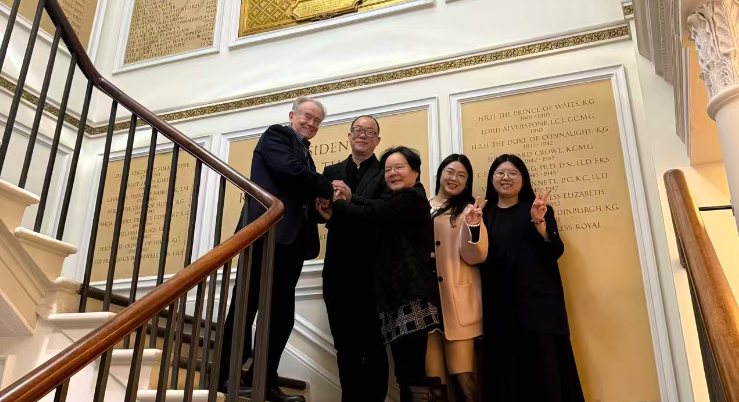
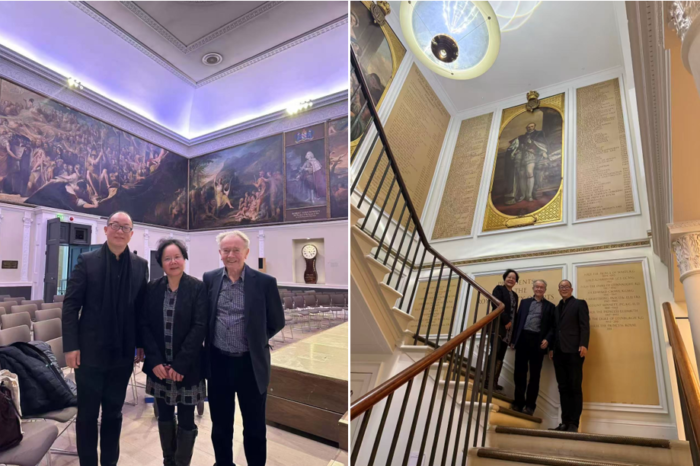
在为期五天的英国建筑环境访英考察期间,2025 年 3 月 4 日下午,全球中国学术院院士、同济大学李麟学教授与全球中国学术院院长常向群教授及学术院前荣誉主席马丁·阿尔布劳 Martin Albrow 教授在伦敦英国皇家艺术院 Royal Society of Arts (RSA)会面,围绕学术院的使命、正在推进的学术项目及未来合作方向进行了深入交流。
其间也讨论了阿尔布劳教授新出版的书, Integrity: The Rise of a Distinctive Western Idea and Its Destiny (《诚信:一种独特的西方观念的形成及其命运》)。阿尔布劳在书中追溯了“诚信(integrity)”从古希腊、古罗马到基督教传统、文艺复兴与现代社会的历史演变,揭示其从价值统一与规范遵循的观念,转化为公共生活中的核心伦理原则。他指出,当代社会面临“诚信真空”的悖论:诚信被普遍要求,却未必成为政治成功的前提。阿尔布劳因此呼吁通过与非西方智慧的对话,重新激活诚信这一价值,以重建公共与社会生活中的信任、可靠性与道德基础。
李教授还介绍了他的建筑设计的理念和杰作。他于2001年创设了同济大学建筑设计研究院(集团)有限公司麟和建筑工作室(ATELIER L+),这是一支立足于建筑实践与城市研究的建筑师团队,以“自然–系统–建构”为核心方法,持续探讨建筑本体要素的现代性及中国城市语境下的多尺度建造问题。工作室以研究与建造并重为特征,强调在现实条件中实现高品质建筑,通过全过程设计参与,将理论、技术与实践整合为一体。其建成与在建公共建筑项目已逾五十项,涵盖城市地标、工业遗产再生及多类型公共建筑,形成了中国当代建筑语境中具有明确定位与持续影响力的设计实践。
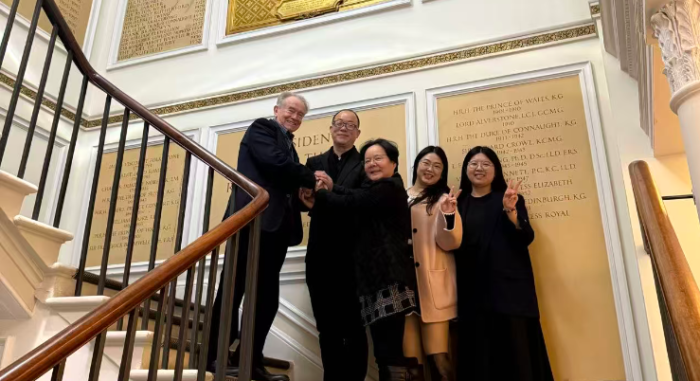
本页主题图片是我们三位并肩而立,三人手牵在一起,定格了一个象征信任、合作与学术共同体的瞬间。李教授的两位同事不约而同地在一旁以 “V” 手势回应镜头,传达出一种轻松、自信且积极的学术交流氛围。这一姿态不仅是一张合影,更象征着跨文化学术网络在伦敦这一全球思想节点的自然生成:牵手代表长期伙伴关系与制度性承诺,而 “V” 手势则表达了开放、友好与对未来合作的乐观期待。在 RSA 这一以公共思想与社会创新著称的空间中,这一画面自然地呼应了学术院所倡导的转文化对话、知识共同生产与学术友谊。
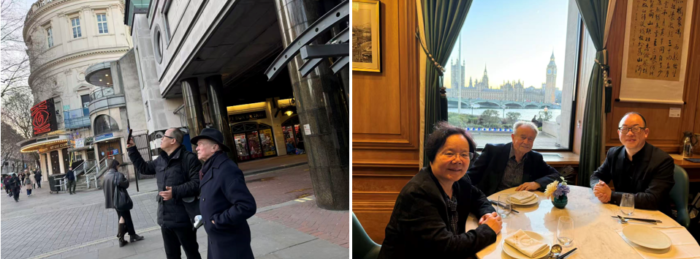
随后,三人一同步行穿越伦敦市中心,城市街景成为交流的背景,学术讨论在行走中自然延续。上图左为建筑学家李麟学教授在途中随机拍摄的街景照片,用以记录并捕捉城市细节中的设计灵感;右图为三人抵达泰晤士河南岸 County Hall 临江餐厅后的合影,窗外可见泰晤士河与英国议会大厦。刚一落座便合影留念,彼时对岸的大本钟与议会大厦清晰可见;待晚餐开始,夜色渐深,窗外景致逐渐隐入伦敦暮色之中,为这一跨文化学术交流的行程留下一个具有象征意义的收束时刻。
李麟学教授设计作品选
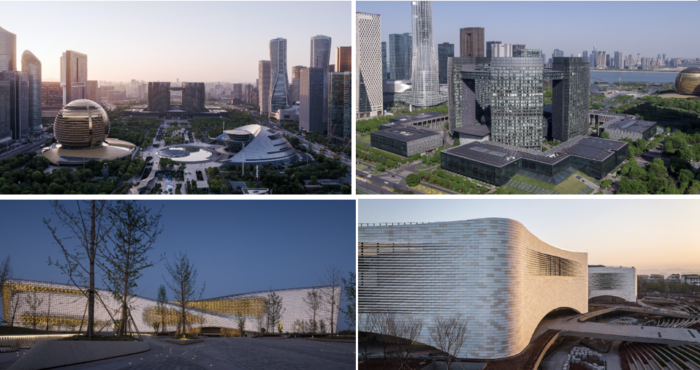
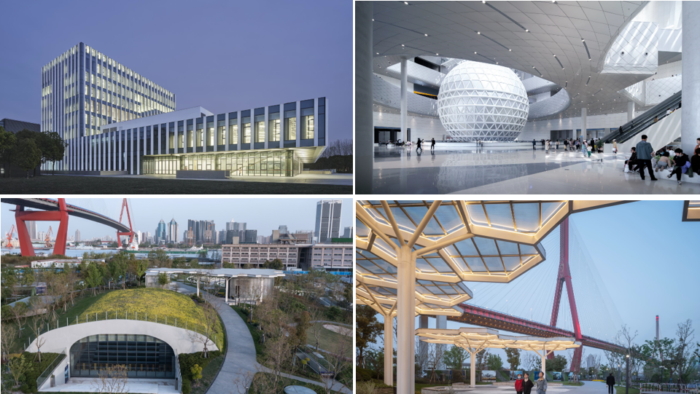
在上述八张作品中,倒数左二为同济艺嘉楼。它以简洁而有力的现代建筑语言回应中国当代城市语境,通过清晰的几何立面、通透的玻璃界面与充足的自然采光,将功能、空间与文化表达整合为一体,营造开放而灵活的内部空间,满足展览、交流、会议与办公等多元使用需求。设计强调空间的可变性与公共性,通过开放布局与公共区域促进互动与合作,使不同学科、行业与文化实践在此交汇,形成一种转文化的空间实践——在这一空间中,中国当代城市经验、全球现代建筑语言与学术公共生活文化得以相互转译与整合。结合绿色景观、材料选择与可持续策略,建筑进一步回应环境与现实条件,成为连接本土经验与全球当代性的公共平台,兼具实用性、文化气质与当代精神。
当李麟学教授看到马丁·阿尔布劳新书的书名时,他脱口而出的中文是“整合”。这一反应并非概念误读,而是一种建筑师式的理解:在高度分化的当代世界中,如何将价值、制度与公共生活重新联结为可运作的整体。阿尔布劳通过思想史的路径,追问“诚信(integrity)”在公共生活中的意义与危机;而李麟学则以建筑回应这一追问——在真实的空间中,通过整合不同文化、知识与实践,使公共性得以被建造、被体验。书与建筑在此形成了一种跨领域的对话,共同指向一个核心命题:如何在复杂而多元的当代世界中,重建信任、公共性与可依赖的社会秩序。
GCA President and Past Honorary President Welcome GCA Fellow Professor Li Linxue of Tongji University in London
During the five-day UK study visit on the built environment, on the afternoon of 4 March 2025, Professor Li Linxue, Fellow of the Global China Academy and Professor at Tongji University, met with Professor Xiangqun Chang, President of the Global China Academy, and Professor Martin Albrow, Past Honorary President of the Academy, at the Royal Society of Arts (RSA) in London. Their discussion focused on the mission of the Academy, ongoing academic initiatives, and potential directions for future collaboration.
The meeting also included discussion of Professor Albrow’s newly published book, Integrity: The Rise of a Distinctive Western Idea and Its Destiny (诚信:一种独特的西方观念的形成及其命运). In the book, Albrow traces the historical development of integrity from ancient Greece and Rome, through Christianity, the Renaissance, and into modern society, showing how it evolved from an idea of value-based unity and adherence to external standards into a core ethical principle of public life. He argues that contemporary society is marked by a troubling paradox—while integrity is widely demanded, it is not necessarily a prerequisite for political success, resulting in what he calls a “politics of the integrity vacuum.” Albrow therefore calls for the renewal of integrity through dialogue with non-Western wisdom, in order to rebuild trust, reliability, and ethical foundations in public and social life.
Professor Li also introduced his architectural design philosophy and selected works. In 2001, he founded Atelier L+ (麟和建筑工作室), part of the Tongji Architectural Design and Research Institute (Group) Co., Ltd. The studio is an architect-led team grounded in architectural practice and urban research, employing “Nature–System–Construction” as its core methodological framework. Through this approach, the studio continuously explores architectural modernity and multi-scalar construction within the context of Chinese cities. Characterised by the integration of research and building practice, Atelier L+ emphasises the realisation of high-quality architecture under real-world conditions through full-process participation in design. To date, the studio has completed or is undertaking more than fifty public building projects, including urban landmarks, industrial heritage regeneration, and a wide range of educational, cultural, civic, and infrastructural complexes, establishing a distinct and influential position within contemporary Chinese architectural practice.
The feature image on this page captures a symbolic moment: the three scholars standing side by side, holding hands, representing trust, collaboration, and a shared scholarly community. Two of Professor Li’s colleagues, standing nearby, spontaneously responded to the camera with “V” gestures, conveying a relaxed, confident, and positive atmosphere of academic exchange. More than a group photograph, this gesture symbolises the organic emergence of a transcultural academic network at London as a global node of ideas—the joined hands representing long-term partnership and institutional commitment, while the “V” signs express openness, goodwill, and optimism for future collaboration. Set within the RSA, an institution renowned for public thought and social innovation, the image resonates naturally with the Academy’s commitment to transcultural dialogue, the co-production of knowledge, and scholarly friendship.
Afterwards, the three walked together through central London, with the cityscape becoming the backdrop for continuing academic exchange. The image on the left shows a street scene spontaneously photographed by Professor Li during the walk, capturing urban details as sources of architectural inspiration; the image on the right records their arrival at a riverside restaurant in County Hall on the South Bank of the Thames, with the river and the Houses of Parliament visible outside the window. Upon being seated, they took a group photograph while Big Ben and the Parliament building were still clearly visible across the river. As dinner progressed and night fell, the cityscape gradually faded into the London dusk, bringing this transcultural academic encounter to a symbolic close.
Selected Works by Professor Li Linxue
Among the eight projects shown above, the second from the left in the bottom row is the Tongji Yijia Building. Responding to the contemporary Chinese urban context through a clear and powerful modern architectural language, the building integrates function, space, and cultural expression through geometric façades, transparent glass interfaces, and abundant natural light. Its open and flexible interior spaces accommodate exhibitions, exchanges, meetings, and office use, while its emphasis on spatial adaptability and publicness encourages interaction and collaboration. In this building, a transcultural spatial practice takes form—where Chinese urban experience, global modern architectural language, and academic public life are translated and integrated within a single architectural framework. Through green landscaping, material selection, and sustainable strategies, the building further responds to environmental and real-world conditions, becoming a public platform that connects local experience with global contemporaneity, and embodies both cultural sensibility and contemporary spirit.
When Professor Li encountered the title of Martin Albrow’s new book, his spontaneous Chinese rendering was “integration.” This response was not a conceptual misreading, but rather an architect’s interpretation: how, in a highly differentiated contemporary world, values, institutions, and public life might be reconnected into a workable whole. While Albrow approaches integrity through the lens of intellectual history, questioning its meaning and crisis in public life, Li responds through architecture—by integrating different cultures, forms of knowledge, and practices in real space, enabling publicness to be built and experienced. The book and the buildings thus enter into a dialogue across disciplines, pointing toward a shared question: how trust, publicness, and reliable social order might be rebuilt in a complex and plural world.
全球中国学术院院长常向群教授访问同济和复旦大学
自十几年前首次到访同济大学以来,我曾多次在这里开会与访问,却从未真正走进校园。相比北大、清华、武大与厦大这些以学问传统与校园美景著称的大学,同济大学的校园长期未曾引起我的特别兴趣。然而,2025 年 2 月 26–27 日对同济大学两个校区的访问,彻底改变了这一印象。同济大学的本部位于四平路校区,另设南校区、彰武、嘉定、沪西与沪北校区。此次接待我的是承办第九届全球中国对话(GCD9)的中方主办单位——主要位于嘉定校区的艺术与传媒学院。在该院博士生高源同学的陪同下,我得以步行穿行四平路校区,第一次以身体经验理解“同济”二字与校园空间之间的关系。
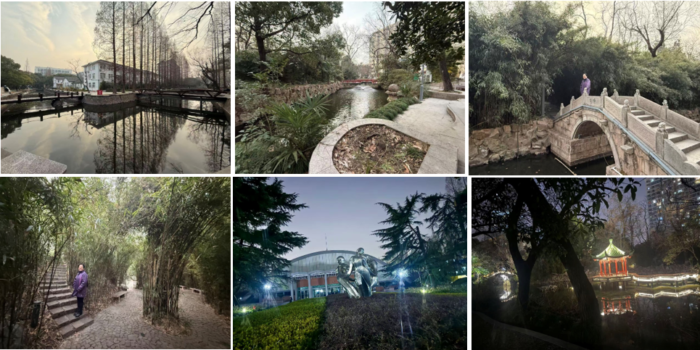
我们都知道“同济”寓意“同舟共济”,也知道这所大学源于百余年前中德合办的医学堂,但直到真正走入校园,我才意识到同济大学真的有水。这些水系并非象征性的景观,而是江南水乡自然河流与河浜的历史延续,在校园规划中被保留下来,经清淤与驳岸整治,与校舍、桥梁、步道共同构成可行走、可感知的空间脉络。它们属于上海本地河网体系的一部分,向东或向南流动,最终汇入黄浦江与长江口水系,使校园自然地嵌入更广阔的城市与区域地理环境之中。
与水系不同,竹林更多分布在早期建筑周边的园林空间中,尤其是三好坞附近那片幽静的竹林,呈现出一种“古色古香”的意境,与周围的现代建筑形成耐人寻味的对照与互补。这些园林景观常被视为同济人文气息的代表,是师生漫步、停留、感受自然与校园历史气息的静谧之所。在这里,校园不再只是功能性的教学空间,而成为一种可被体会、可被沉浸的日常环境。
以往来到同济大学,映入眼帘、也是记忆中最深的,往往是校园里的毛泽东雕塑,它作为一种历史与时代象征,标记着特定的政治记忆与空间中心。而这一次,在漫步校园的过程中,我看见了另一座雕塑——一件以三个人物相互牵引、协力前行构成的当代公共艺术作品。人物之间没有主从之分,力量在相互支撑中生成,形成一个持续运动的整体。镜面不锈钢材质将周围的建筑、树木与行人纳入其中,使雕塑在不同时间与光线下不断变化。
傍晚时分,行走的讨论在雕塑前自然停驻。暮色与灯光在金属表面流动,去年 11 月在这里举办的以“人工智能治理”为主题的第九届全球中国对话(GCD9),以及会后对艺术与传媒学院在校本部的参观与座谈,仿佛在这一空间意象中汇合为可被感知的经验。那一刻,“同舟共济”不再只是校名或口号,而成为一种可被看见、可被体验的集体行动——一种通过协作、整合与共同承担而持续生成的公共精神。
也正是在这次行走中,我逐渐意识到,同济的校园并非以风景取胜,而是以空间所承载的协作精神与工程理性构成其独特气质。水系、竹林、建筑与雕塑,共同构成了一种将自然、历史与当代学术生活编织在一起的空间秩序,使“同济”这一名称,在身体经验与日常行走中,获得了新的现实意义。
2 月 27 日上午,我来到同济大学艺术与传媒学院嘉定校区。首先接受了传播系系主任王鑫教授的访谈。本次访谈围绕“礼”与“往来”的跨文化意义展开,共设 12 个问题,重点讨论中国传统“礼尚往来”如何在不同文明、日常交往与国际交流中实现转译与实践,以及其在当代公共关系、社会信任与全球沟通中的启发意义。这是王鑫教授对我进行的第二次访谈,第一次访谈已发表于《跨文化传播研究》2022 年第五辑,题为《全球视域下“转文化”的概念、实践与生产——与常向群教授的对谈》。
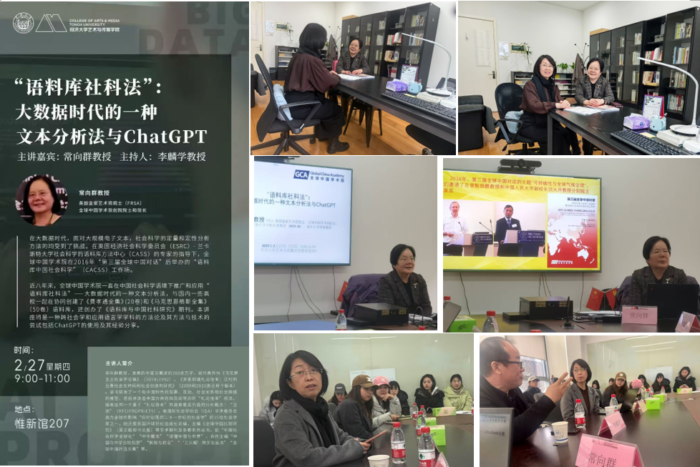
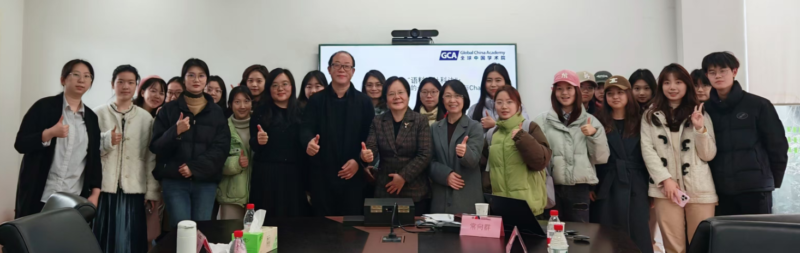
接下来的重头戏是我的专题讲座,题为“语料库社科法:大数据时代的一种文本分析法与 ChatGPT”。讲座围绕大数据条件下社会科学研究面临的核心挑战展开:在面对大规模电子文本时,传统的定量与定性分析方法均显不足,亟需新的方法整合路径。该方法源于我在英国经济与社会研究委员会(ESRC)支持下,于兰卡斯特大学社会科学语料库研究中心(CASS)接受的系统训练。2016 年第三届全球中国对话之后,全球中国学术院启动并持续推进“语料库中国社会科学”(CACSS)工作坊,在中国社会科学语境中推广和实践“语料库社科法”——一种面向大数据时代的文本分析方法。
过去八年来,我们与多所国内高校协同合作,先后构建了《费孝通全集》(20 卷)与《马克思恩格斯全集》(50 卷)语料库,并创办《语料库与中国社科研究》期刊,推动这一方法在社会科学研究中的制度化与共同体化发展。本次讲座不仅介绍了跨社会学与应用语言学的方法论框架,也分享了 ChatGPT 在语料分析、研究协作与知识生产中的实际使用经验,引发了现场师生的积极讨论。
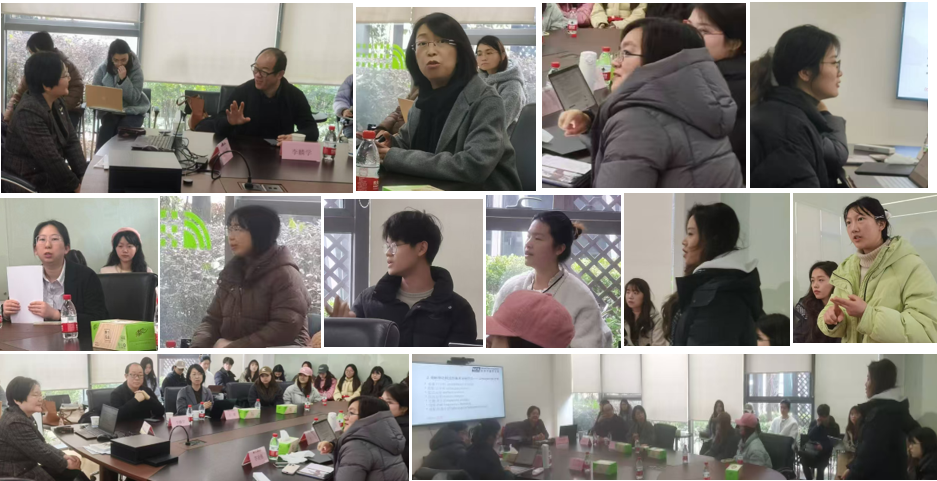
讲座由传播系系主任王鑫教授主持,现场师生互动踊跃,围绕语料库方法、跨学科文本分析与 ChatGPT 的使用边界等问题展开讨论。艺术与传媒学院院长李麟学教授作总结点评,从学术方法、知识生产与公共传播三个层面回应了讲座的关键议题,并对后续合作提出建议。从访谈到讲座,从概念到方法,这一上午的交流清晰呈现出一种将中国经验转化为可对话知识、并在数字时代重建公共学术实践的路径。
李麟学院长为全球中国学术院院士,王鑫教授为学术院副院士,艺术与传媒学院为学术院单位院士。该院亦是第八届全球中国对话(GCD8)“全球健康治理”的中方合作单位,并承办第九届全球中国对话(GCD9)“全球 AI 治理”,在推进学院使命、组织国际学术对话与落实转文化知识生产方面发挥了关键平台作用。。
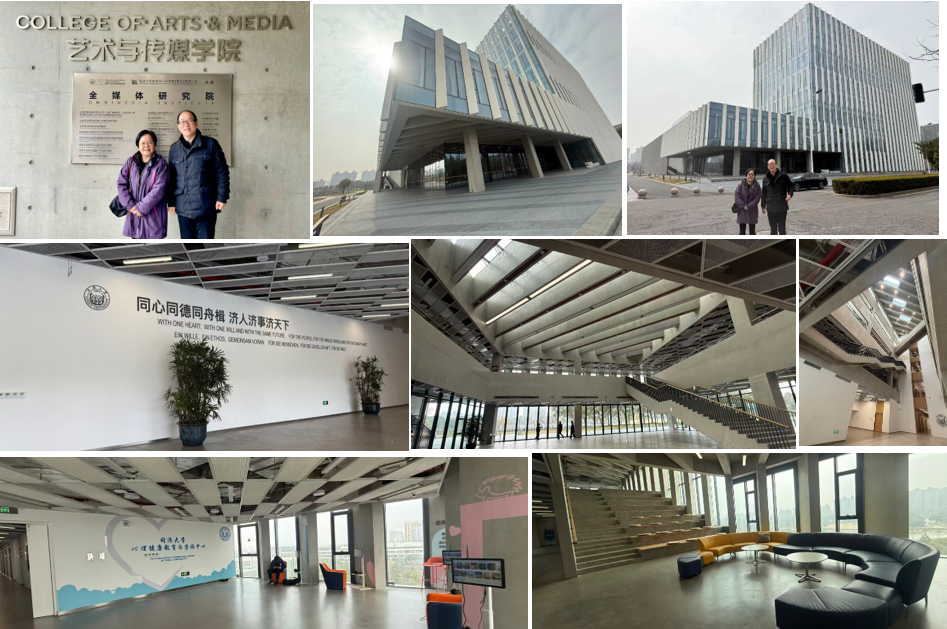

讲座结束后,李麟学院长亲自带我参观了同济大学嘉定校区,并重点介绍了由他主持设计的艺嘉楼。沿着建筑内外的行走路线,他一边讲解空间构思,一边回应我对细部与整体关系的提问。艺嘉楼以清晰而克制的现代建筑语言展开:通透的立面、层层展开的中庭、连续的台阶与坡道,将教学、交流与公共活动自然地编织在同一空间体系中。大尺度的公共大厅、开放的学习空间与可变的展演场所,使建筑本身成为一座“可行走的学院”,不断生成交流的可能。由设计者亲自带领参观,使建筑从图纸与理念转化为可被感知的经验,这不仅是一次空间的漫游,也是一场关于建筑如何承载学术公共生活、如何通过空间实践回应当代教育与文化使命的深度对话。
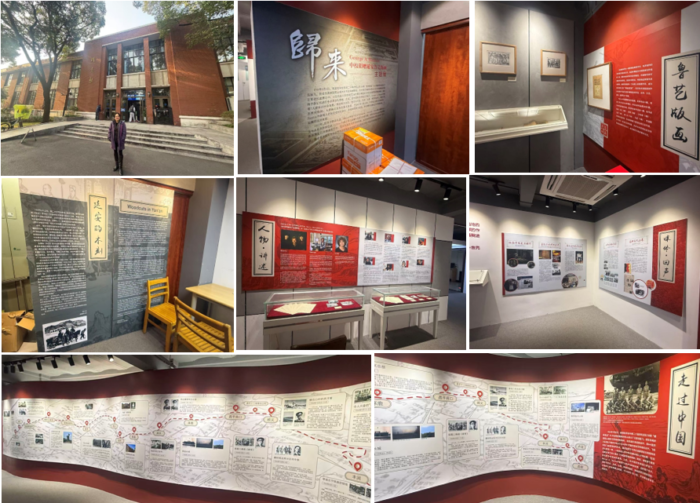
2月27日下午,我应邀到复旦大学访问交流。以往来到复旦大学图书馆,多是为了查阅资料,而这一次的经历却截然不同。入馆后首先参观了一场专题展览,展览围绕延安木刻、抗战时期的中外交流以及艺术的政治使命展开,重点呈现了美国记者兼外交官汉乐(George A. Harlan)及其家族与中国革命文化之间的历史联系。展览以“归来”为主题,展品主要来自汉乐三位子女的捐赠,系统展示了他在抗战时期深入延安及解放区、参与并记录中国革命实践的经历。展览特别突出延安木刻运动在战争语境中的历史意义:作为一种兼具政治动员、社会教育与文化启蒙功能的艺术形式,木刻在极端条件下成为传播思想、凝聚民众、记录现实的重要媒介。展板中“Woodcuts in Yan’an / 延安的木刻”一节,清晰呈现了艺术如何与社会实践深度交织,也为理解革命时期知识、艺术与公共性的关系提供了一个生动的历史切口。
展览通过时间轴与路线图(“走过中国”)呈现汉乐及相关国际友人穿行中国的轨迹,将个人经历与中国抗战史、革命史交织在一起;同时也通过“人物·讲述”“集体·回声”等板块,呈现这一跨文化网络在战时与战后持续发声的历史回响。陈列柜中的信件、手稿、版画与文献原件,使抽象的历史转化为可感的物证。
整体策展语言庄重而克制,红、灰、白三色构成鲜明的历史叙事空间,使观者在行走中进入一段跨文化、跨政治、跨媒介的共同记忆。这个展览不仅是一次历史回望,也是一种当代提问:艺术如何在危机中承担公共责任,知识分子如何在世界裂变时建立真实的连结。
在复旦大学图书馆的展厅中,这一历史展览被转化为一种当下可感的转文化经验:不同文明、政治语境与知识传统,曾在危机中通过艺术与行动形成真实的协作网络。作为一次学术访问的组成部分,这段观看经验也将当下的学术交流置入更长的历史脉络之中——学术不仅是知识生产,更是一种公共实践。从延安木刻到今日的学术对话,艺术、思想与公共精神在不同历史阶段被不断重新激活,使“访问”本身成为连接过去与未来的行动。
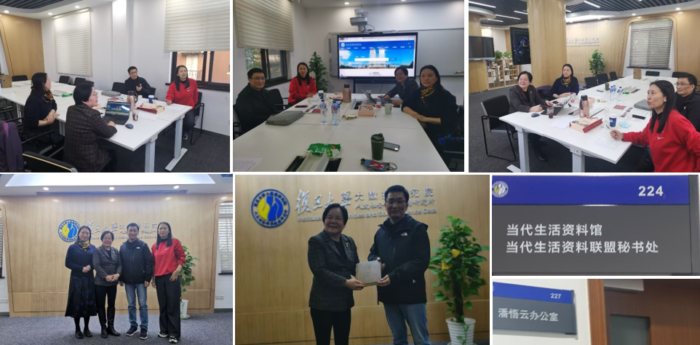
随后参观了复旦大学大数据研究中心人文社科数据研究所。全球中国学术院创院中方院长张乐天教授在复旦大学创办的当代生活资料馆,以及他发起的全球当代生活资料联盟秘书处,均设于此处。其间还参观了潘悟云教授的办公室。潘教授是中国当代语言学与语言人类学领域的重要学者,长期推动“21 世纪中国语言与方言数据库”建设,其在文化传播与人群迁移研究方面产生了深远影响。图书馆也由此成为他们在退休之后继续发挥学术影响力的重要阵地。
参观结束后进入座谈环节。参加座谈的有:复旦大学图书馆副馆长、复旦大学社会科学数据研究中心副主任、兼复旦大学大数据研究院人文社科数据研究所常务副所长张计龙研究员;复旦大学人文社科数据研究所副所长、上海市科研领域大数据实验室副主任殷沈琴研究馆员;复旦大学图书馆、复旦大学数字人文社科研究所副教授、当代生活资料馆及全球当代生活资料联盟秘书处负责人王顺箐博士。会上,我首先介绍了全球中国学术院与环球世纪出版社的学术资源与出版体系,对方对数据共享、语料库建设,以及将于 2026 年 12 月举办的第 11 届全球中国对话(GCD11)“全球 AI 与数据治理”主题表现出浓厚兴趣。
殷沈琴研究馆员系统展示了研究所数据库体系,介绍了其所积累的海量人文社会科学数据资源。张馆长介绍了复旦大学将于 3 月 1 日举办的2025 人文社会科学智能大会,会议以“AI 驱动的人文社会科学理论创新与范式变革”为主题,涵盖“AI4SS 社会智能体与复杂系统”“AI 风险识别与智能决策”“AI4H 中华文明源流建构与传承”“AI 伦理与治理:安全可信与价值对齐”等重要议题。最后,王顺箐博士就全球当代生活资料联盟如何参与合作事宜做了探讨。双方表示,未来希望在相关会议与研究项目中持续互动、深化合作,并就后续具体合作方向进行了进一步沟通。
这次访问不仅加深了对复旦大学数字人文与数据基础设施的理解,也为全球中国学术院在 AI、数据治理与转文化研究领域的合作奠定了新的学术连接点。
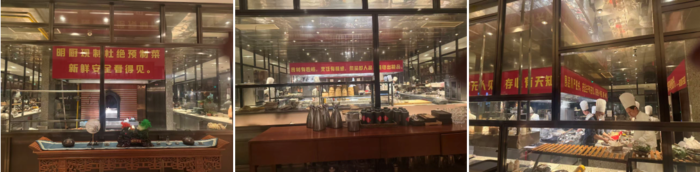
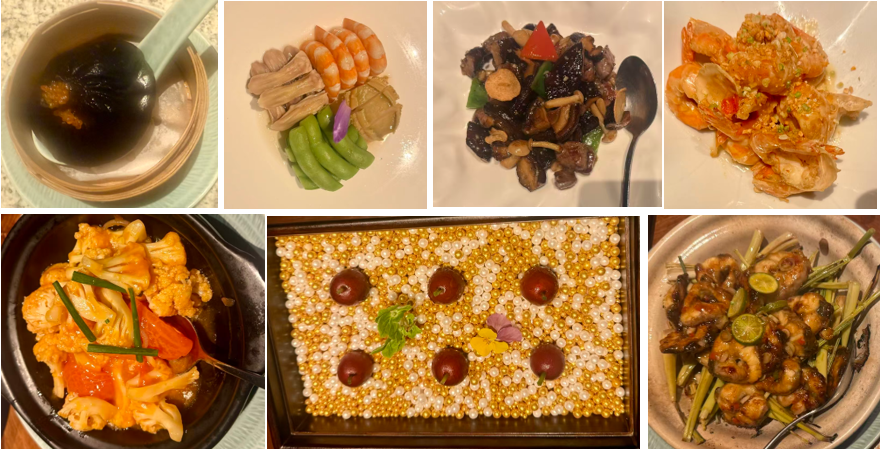
我们的交流在晚上的聚叙中继续。“食”在中国常常承载着多重体验与社会意义,这次在龙庄琇厨感受到的海派粤式融合菜的创新尤为值得一提。正如走进中国高校时常会映入眼帘的红色横幅与标语,这家餐厅同样以醒目的红色标语作为空间语言的一部分。但与传统中餐馆常见的“厨房重地,闲人免入”不同,这里以大型开放式厨房作为餐厅核心,让烹饪过程完全可见。悬挂其上的标语——“明厨现制,杜绝预制菜,新鲜安全看得见”“食材有性格,烹饪有情感,菜品即人品,匠心出精品”等——不仅是一种质量承诺,也构成了对食物、劳动与公共信任关系的明确表达,使餐桌本身成为一次可被感知的交流体验。
这桌菜整体呈现出高端中式餐饮的成熟风格,是精致沪菜与粤菜的当代融合表达。摆盘克制而有秩序,色彩与留白控制精准,体现出主厨清晰的审美判断与专业意识。菜品结构上冷盘、热菜、汤品与主菜层次分明,节奏舒缓而有逻辑,既强调食材本味,也通过细微调味建立风味层次,呈现出一种不依赖视觉噱头的“内在完成度”。从技法与口感判断,菜品重在火候与工序而非酱料覆盖:海鲜鲜嫩、菌菇有镬气、汤品清澈醇厚,显示出扎实的厨房功底,也呼应了“明厨现制、杜绝预制菜”的承诺。
在这样的氛围中,交流不再只是话语的继续,而是在真实的烹饪、稳定的品质与可见的劳动中,建立起一种安静却坚实的信任感,使晚餐本身成为公共精神得以落地的日常场景。
GCA President Professor Xiangqun Chang Visits Tongji and Fuudan Universities
Since my first visit to Tongji University more than a decade ago, I have attended many meetings and academic events there, yet never truly walked through the campus. Compared with Peking University, Tsinghua University, Wuhan University, and Xiamen University—institutions celebrated for their scholarly traditions and scenic campuses—Tongji’s campus had not particularly drawn my attention. However, my visit to two Tongji campuses on 26–27 February 2025 completely changed this perception.
Tongji University’s main campus is located on Siping Road, with additional campuses at South Campus, Zhangwu, Jiading, Huxi, and Hubei. This visit was hosted by the College of Arts and Media, primarily based at the Jiading Campus, the Chinese partner institution for the 9th Global China Dialogue (GCD9). Accompanied by doctoral student GAO Yuan, I was able to walk through the Siping Road Campus and, for the first time, understand through bodily experience the relationship between the name Tongji and the campus space itself.
We all know that Tongji means “crossing the river together in the same boat,” and that the university originated over a century ago as a Sino–German medical school. Yet it was only by walking through the campus that I realised Tongji truly has water. These waterways are not symbolic landscaping features but historical continuations of the natural rivers and canals of the Jiangnan region. Preserved in campus planning and enhanced through dredging and bank reinforcement, they form walkable and perceptible spatial networks together with buildings, bridges, and pathways. As part of Shanghai’s local river system, they flow eastward or southward, eventually joining the Huangpu River and the Yangtze estuary, embedding the campus within a wider urban and regional geography.
In contrast to the waterways, bamboo groves are mainly found around the early campus buildings, particularly the quiet grove near Sanhao Dock. This area evokes a classical atmosphere that resonates with traditional Chinese garden aesthetics, forming a subtle dialogue with the surrounding modern architecture. These garden spaces are often regarded as embodiments of Tongji’s humanistic spirit—places where faculty and students walk, pause, and sense the layered presence of nature and campus history. Here, the campus becomes not merely a functional educational space, but a lived, immersive environment.
In the past, the most prominent image of Tongji for me was the Mao Zedong statue on campus—a historical and political landmark anchoring a specific era and memory. This time, however, I encountered another sculpture: a contemporary public artwork composed of three figures pulling and supporting one another as they move forward together. There is no hierarchy among them; strength emerges through mutual reliance, forming a dynamic, collective whole. Its mirrored stainless-steel surface reflects buildings, trees, and passers-by, allowing the sculpture to transform continuously with light and time.
At dusk, our walking discussion naturally paused in front of the sculpture. As twilight and artificial light flowed across its metallic surface, memories of the 9th Global China Dialogue (GCD9) held here last November on “AI Governance,” and the subsequent campus visit and roundtable at the College of Arts and Media, seemed to converge into a single, perceptible experience. At that moment, “crossing the river together in the same boat” ceased to be merely a university name or slogan; it became a visible, experiential form of collective action—a public spirit continually generated through collaboration, integration, and shared responsibility.
It was during this walk that I gradually realised Tongji’s campus does not impress through scenery alone, but through the cooperative spirit and engineering rationality embedded in its spaces. Water, bamboo groves, architecture, and sculpture together weave a spatial order that integrates nature, history, and contemporary academic life, giving the name Tongji renewed, tangible meaning through everyday movement and experience.
On the morning of 27 February, I visited the Jiading Campus of the College of Arts and Media at Tongji University. The visit began with an interview conducted by Professor Wang Xin, Head of the Department of Communication. The interview, consisting of 12 questions, explored the transcultural significance of li (ritual/propriety) and exchange, focusing on how the Chinese tradition of li shang wanglai (ritualised reciprocity) can be translated and practised across different civilisations, everyday interactions, and international exchanges, and how it might contribute to contemporary public relations, social trust, and global communication. This was my second interview with Professor Wang; the first was published in Intercultural Communication Studies (Vol. 5, 2022) under the title “Transculturality in Global Perspective: Concepts, Practices, and Production — A Dialogue with Professor Xiangqun Chang.”
The central event of the morning was my public lecture, “Corpus-Based Social Science: A Text Analysis Method for the Big Data Era and ChatGPT.” The lecture addressed key methodological challenges facing social sciences in the age of big data, where traditional quantitative and qualitative approaches struggle to cope with massive electronic text corpora. The method introduced draws on my training at the Centre for Corpus Approaches to Social Science (CASS) at Lancaster University, supported by the UK Economic and Social Research Council (ESRC). Following the 3rd Global China Dialogue in 2016, the Global China Academy launched the “Corpus Approaches to Chinese Social Science” (CACSS) initiative, which has since promoted and applied corpus-based social science methods within Chinese research contexts.
Over the past eight years, in collaboration with several Chinese universities, we have built the Collected Works of Fei Xiaotong (20 volumes) corpus and the Collected Works of Marx and Engels (50 volumes) corpus, and founded the journal Corpus and Chinese Social Science Research, contributing to the institutionalisation of this methodological approach. The lecture presented a framework bridging sociology and applied linguistics, and shared practical experiences using ChatGPT in corpus analysis, research collaboration, and knowledge production, prompting lively discussion among faculty and students.
The lecture was chaired by Professor Wang Xin, with active participation from students and staff. Professor Li Linxue, Dean of the College of Arts and Media, offered concluding remarks, responding to the lecture from perspectives of methodology, knowledge production, and public communication, and proposing future collaboration. From interview to lecture, from concept to method, the morning’s exchanges outlined a clear pathway for transforming Chinese experience into dialogical knowledge and rebuilding public academic practice in the digital era.
Professor Li is a Fellow of the Global China Academy; Professor Wang is an Associate Fellow; and the College of Arts and Media is an Institutional Fellow. The College has served as the Chinese partner for the 8th Global China Dialogue (GCD8) on Global Health Governance and hosted the 9th Global China Dialogue (GCD9) on Global AI Governance, playing a key role in advancing the Academy’s mission, organising international dialogues, and practising transcultural knowledge production.
After the lecture, Dean Li personally guided me through the Jiading Campus, focusing on Yijia Building, a major work of his design. Walking through the building inside and out, he explained the spatial concepts while responding to my questions about the relationship between details and the whole. The building unfolds in a restrained yet powerful modern architectural language: transparent façades, cascading atria, continuous steps and ramps weave teaching, exchange, and public activities into one coherent spatial system. Large-scale halls, open learning spaces, and flexible performance areas transform the building into a “walkable academy” that continually generates opportunities for interaction. Being guided by the designer himself turned architectural concepts into lived experience—this was not merely a tour, but a deep conversation on how architecture can carry public academic life and respond to contemporary educational and cultural missions through spatial practice.
In the afternoon of 27 February, I visited Fudan University. Previous visits to Fudan Library had been for research, but this time was entirely different. I first toured a special exhibition on Yan’an woodcuts, wartime Sino–foreign exchange, and the political mission of art, focusing on the historical connections between American journalist and diplomat George A. Harlan and Chinese revolutionary culture. Titled Return, the exhibition draws mainly on donations from Harlan’s three children, documenting his journeys into Yan’an and liberated areas and his participation in and recording of revolutionary practice. It highlights the Yan’an Woodcut Movement as a form of art that combined political mobilisation, social education, and cultural enlightenment—an essential medium for communication, solidarity, and documentation under wartime conditions. The section “Woodcuts in Yan’an” vividly demonstrates the deep entanglement of art and social practice, offering a compelling lens for understanding knowledge, art, and public life during the revolutionary era.
Through timelines and maps tracing Harlan’s travels across China, the exhibition interweaves personal experience with the histories of war and revolution. Sections such as “Voices of Individuals” and “Collective Echoes” reveal a transcultural network that continued to resonate during and after the war. Letters, manuscripts, prints, and archival documents transform abstract history into tangible evidence.
The exhibition’s restrained curatorial language—dominated by red, grey, and white—creates a powerful narrative space that draws visitors into a shared memory crossing cultures, politics, and media. It is not only a historical reflection but a contemporary question: how can art assume public responsibility in times of crisis, and how can intellectuals forge genuine connections in a fractured world?
Within the library gallery, this exhibition became a living transcultural experience. Different civilisations, political contexts, and knowledge traditions once formed real networks of cooperation through art and action in moments of crisis. As part of an academic visit, this viewing placed present-day scholarly exchange within a longer historical arc—reminding us that scholarship is not only knowledge production, but also a form of public practice. From Yan’an woodcuts to today’s academic dialogues, art, thought, and public spirit are continually reactivated, making “visiting” itself an act that connects past and future.
The visit continued with a tour of the Institute for Humanities and Social Sciences Data at Fudan’s Big Data Research Center. The Contemporary Life Archive founded by Professor Zhang Letian, Founding Chinese President of the Global China Academy, and the Secretariat of the Global Contemporary Life Data Alliance he initiated, are both housed here. We also visited the office of Professor Pan Wuyun, a leading scholar in Chinese linguistics and linguistic anthropology, who has played a pivotal role in building the 21st-Century Chinese Language and Dialect Database and advancing research on cultural transmission and population migration. The library thus serves as a vital base for continued scholarly influence after retirement.
This was followed by a roundtable discussion with: Zhang Jilong, Deputy Director of Fudan Library and Executive Deputy Director of the Institute; Yin Shenqin, Deputy Director of the Institute and Deputy Director of the Shanghai Big Data Laboratory for Scientific Research; and Dr Wang Shunqing, Associate Professor and Director of the Contemporary Life Archive and Secretariat. I introduced the academic resources and publishing system of the Global China Academy and Global Century Press. The team expressed strong interest in data sharing, corpus construction, and the upcoming 11th Global China Dialogue (GCD11) on “Global AI and Data Governance” in December 2026.
Yin Shenqin presented the institute’s database system and vast humanities and social science data resources. Zhang Jilong introduced the 2025 Conference on Intelligent Humanities and Social Sciences to be held on 1 March, themed “AI-Driven Theoretical Innovation and Paradigm Transformation in the Humanities and Social Sciences,” covering topics such as AI4SS social agents and complex systems, AI risk identification and decision-making, AI4H and Chinese civilisation, and AI ethics and governance. Dr Wang discussed potential collaboration with the Global Contemporary Life Data Alliance. Both sides expressed a desire for sustained interaction and deeper cooperation.
This visit not only deepened my understanding of Fudan’s digital humanities and data infrastructure, but also established new academic connections for the Global China Academy in AI, data governance, and transcultural research.
Our exchanges continued over dinner. In China, food often carries layered social meanings, and the innovative Shanghainese–Cantonese fusion cuisine at Longzhuang Xiuchu was particularly memorable. Just as red banners often greet visitors to Chinese universities, this restaurant used bold red slogans as part of its spatial language. Yet unlike traditional restaurants with “No Entry to the Kitchen” signs, its large open kitchen placed cooking at the centre, making every process visible. Slogans such as “Freshly cooked, no pre-made dishes—safety you can see” and “Ingredients have character, cooking has emotion, dishes reflect the person—craftsmanship creates excellence” served not only as quality commitments but as statements about food, labour, and public trust, turning the meal itself into a perceptible form of communication.
The dishes represented a mature style of high-end Chinese cuisine—a contemporary fusion of refined Shanghainese and Cantonese traditions. Plating was restrained and orderly, with precise control of colour and negative space, reflecting clear aesthetic judgement and professional confidence. The sequence of cold dishes, hot dishes, soups, and main courses unfolded with measured rhythm and logic, emphasising natural flavours while building subtle layers through technique rather than visual spectacle. From the textures and flavours, it was evident that the kitchen prioritised heat control and process over heavy sauces: seafood was tender, mushrooms carried wok hei, and soups were clear yet rich—demonstrating solid craftsmanship and fulfilling the promise of visible, honest cooking.
In this atmosphere, conversation was no longer merely verbal continuation; through real cooking, stable quality, and visible labour, a quiet but solid sense of trust was built, allowing dinner itself to become a daily scene in which public spirit found tangible form.