
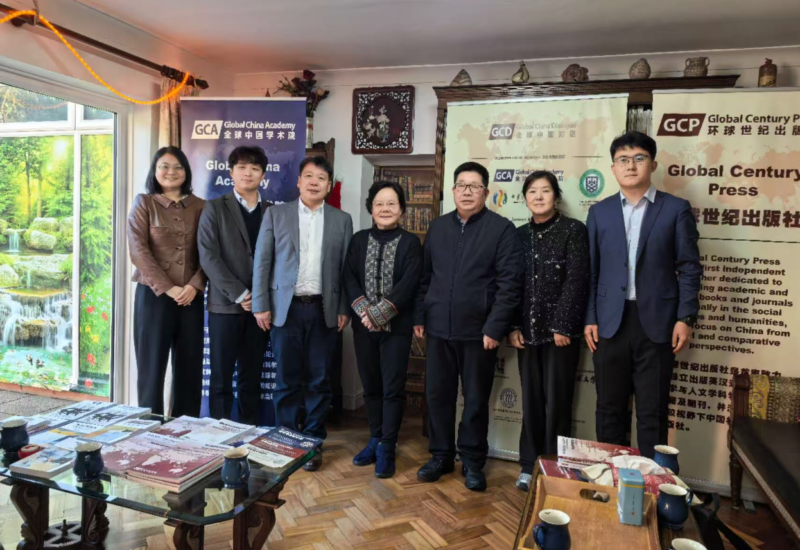
Global China Academy and the National Academy of Chinese Modernization (NACM) at Chinese Academy of Social Sciences, Conduct Academic Exchanges and Study Visits
On 20 December 2025, a delegation led by Professor Zhang Guanzi, Director of the National Academy of Chinese Modernization (NACM), Chinese Academy of Social Sciences (CASS), paid a formal visit to the Global China Academy (GCA) for academic exchange.
The delegation included Professor Zhang Guanzi (legal anthropology; modernization studies; traditional Chinese legal culture); Professor Han Keqing, Senior Research Fellow and Director of the Research Office (social security; social policy; social welfare; social development and modernization); Associate Professor Feng Xiying, Deputy Research Fellow and Director of the Research Administration Office (grassroots social governance); Assistant Research Fellow Zhu Tao (migrant population; urbanization; employment policy); Assistant Research Fellow Zhang Wenjun (development sociology; political sociology; rural sociology); and Assistant Research Fellow Zhang Shuwan (volunteer services; social governance; development sociology; labour sociology).
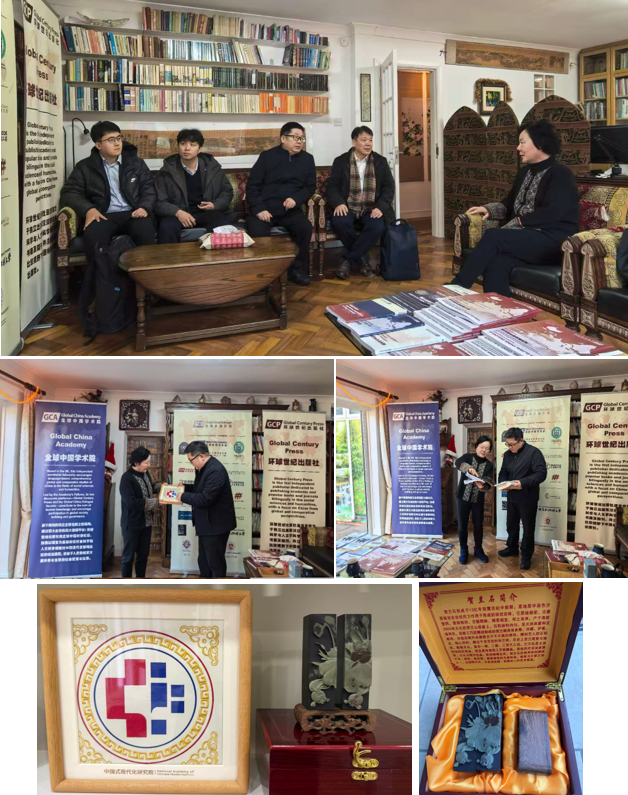
This visit marked an important stop in the delegation’s European academic exchange programme. During the one-day visit to the Global China Academy, in addition to formal academic discussions, the Academy arranged a series of British cultural experiences to support the success of the delegation’s subsequent European visits and to facilitate deeper future collaboration.
Following the academic exchange, Professor Zhang Guanzi presented the Global China Academy with a gift—the emblem of the Institute of Chinese Modernization Studies. This gift embodies a clear intercultural logic. One side of the emblem symbolises historical China, while the other represents modern China. Rather than being placed in simple juxtaposition, the two are integrated within a single symbolic structure, mutually interpreting and complementing one another to form a coherent whole, expressed as a unified “middle” (zhong). What is presented here is not a display of cultural difference, but a dialogue and reconfiguration among different historical forms within the same culture—precisely the defining feature of interculturality.
Subsequently, the seal stone presented by Director Han Keqing constituted a typical cross-cultural object. In terms of material, craftsmanship, function, and symbolic meaning, seal stones are deeply rooted in the Chinese literati tradition. When brought from China to the UK and displayed on the shelves of the Fellows’ House, the object was not transformed into part of British culture; instead, it was viewed and understood explicitly as a representative of Chinese culture. What is manifested here is cultural juxtaposition rather than fusion—an instance of “culture being carried and displayed” in the cross-cultural sense.
At the level of human interaction, the visit and symposium of the Institute of Chinese Modernization Studies delegation itself constituted a typical cross-cultural scenario. During the exchange, both the Chinese and British sides maintained clear cultural identities, academic traditions, and institutional backgrounds, seeking mutual understanding through presentation, listening, and comparison. The core of the interaction was not the immediate production of new shared cultural meanings, but rather the recognition of differences and an understanding of the cultural systems from which each side originated. In this sense, the interaction belongs to cross-cultural practice.
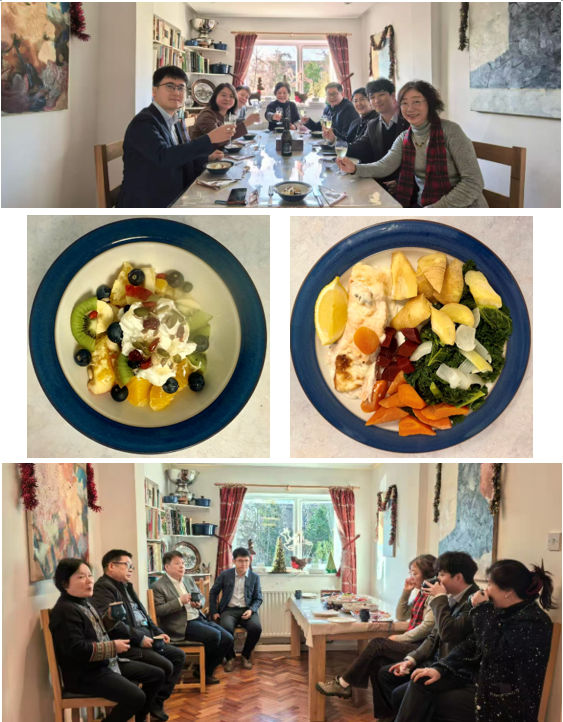
At the Fellows’ Home, the delegation toured the Chinese- and English-language books and journals published by Global Century Press, held discussions with Professor Xiangqun Chang, President of the Global China Academy, and shared a traditional British lunch. As Christmas was approaching, the dessert session took the form of an open party, further extending a relaxed yet continuous atmosphere of exchange. This cross-cultural experience did not occur in a single setting, but unfolded through a sequence of highly concrete activities. Conversations began at the Fellows’ House over Chinese tea; continued at lunch with sparkling wine and white wine; and moved on to coffee afterward, with discussions uninterrupted by changes in drinks or venues.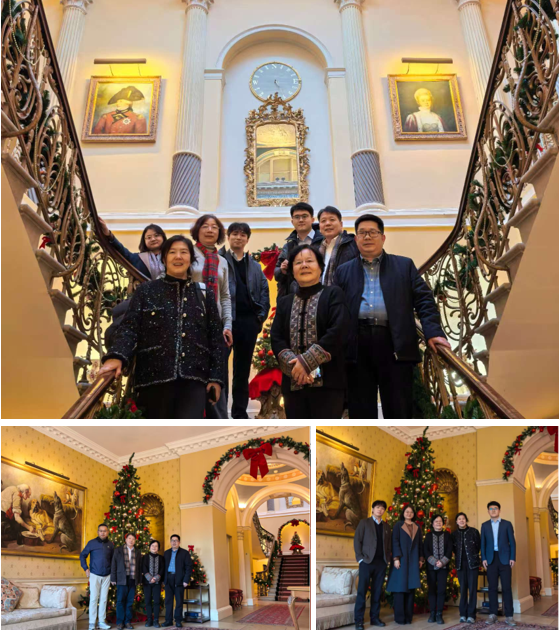
In the afternoon, following the Academy’s long-standing tradition, visiting scholars participated in a “walking–dialogue–dining” programme. This visit followed the sixth route, leading to Brocket Hall, located in Hertfordshire, England. Brocket Hall is a manor of significant political and historical symbolism, having served as the residence of two British Prime Ministers, Lord Melbourne and Lord Palmerston. In the mid-nineteenth century, Palmerston, as a central decision-maker in British foreign policy, led a hardline approach toward China around the time of the First Opium War. His policies profoundly shaped modern Chinese history and the long-term political and cultural imagination of China in the Western world. The Opium War thus became a pivotal historical event that altered China’s trajectory and reshaped the global order, holding particular significance for the Institute of Chinese Modernization Studies. As Christmas—a time of family reunion in Western societies—approached, the delegation experienced the festive atmosphere within Brocket Hall.
A delegation was guided by Mr David Liu, Exactive Manager of GCA, through Brocket Hall, an activity that constituted a tipical intercultural practice. As the former residence of two British Prime Ministers, this British historical space was reinterpreted through the participation of Chinese scholars. When discussions focused on Palmerston’s role in the First Opium War and its implications for Sino-British relations and the nineteenth-century international order, British and Chinese histories were brought into a shared interpretive space. Cultural meanings were renegotiated through face-to-face historical dialogue. Symbolically, Palmerston’s role associated with Brocket Hall is often regarded as marking the point at which China was compelled to enter the modern world system. The Institute of Chinese Modernization Studies takes this historical rupture as a starting point for reflection, systematically examining how China has sought its own path of modernization within the global system.
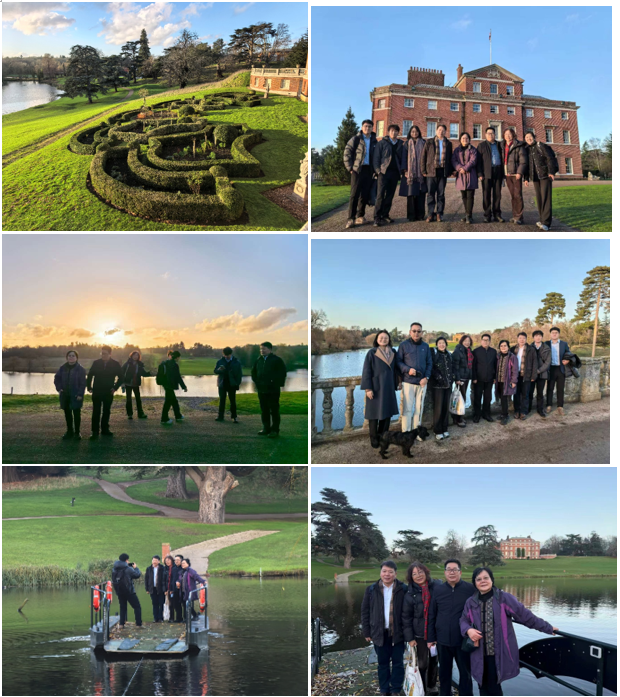
After touring the residence, the group walked through the estate. Situated along the River Lea, the classical architecture, gardens, and water features together form a landscape where British political history and cultural scenery intersect. Today, Brocket Hall serves as a venue for international conferences and higher education exchange, carrying new public functions upon its historical foundations. The Global China Academy has long used this site as a node for academic visits and walking dialogues, transforming historical settings into spaces for reflecting on global order, institutional change, and civilizational interaction.
Walking through the Brocket Hall estate while observing the architecture and landscape, the group later rested at the Club House with hot chocolate. In the evening, the delegation proceeded to a riverside restaurant in County Hall, facing Big Ben and the Houses of Parliament, for dinner. The evening began with Chinese cuisine, tea, water, and alcohol, followed by a walk through the city at night. Throughout the day, there was no moment in which only a single activity took place: conversations continued while walking, while observing buildings, and while dining or drinking. Different cultural foods, beverages, and spaces appeared in succession, each maintaining its distinct form, while participants continuously moved between and adapted to these cultural contexts. This repeated experience of transition itself constitutes cross-cultural practice.
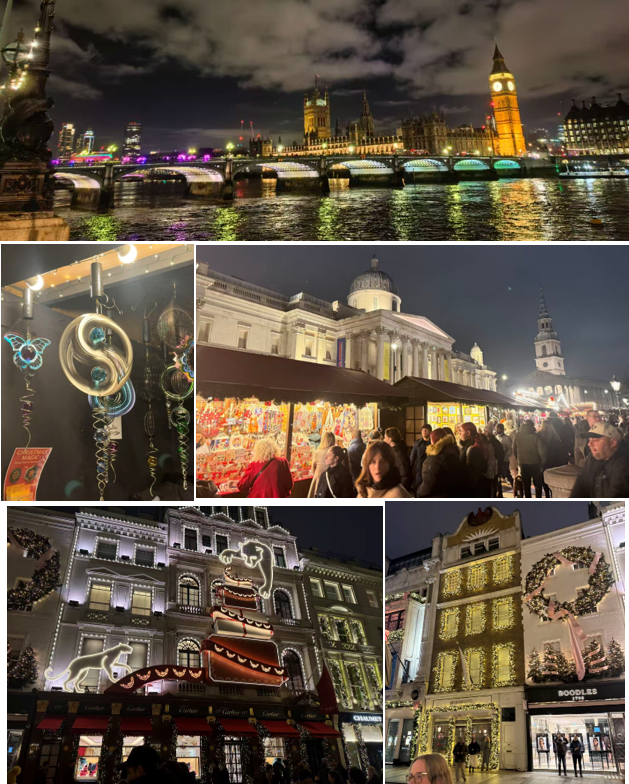
Later, I accompanied the delegation on a walking tour of central London at night, following the route from Westminster Bridge to Trafalgar Square, Piccadilly Circus, Regent Street, and Bond Street. These walking exchanges further deepened the delegation’s direct understanding of London’s urban space, historical culture, and contemporary social life.
At a kiosk in Trafalgar Square, a rotating indoor hanging ornament featuring a yin–yang (taiji) motif caught our attention. This object provided a vivid illustration for our discussion of how transcultural concepts can be incorporated into research on Chinese modernization. The ornament, manufactured in Italy and revealing a taiji form through rotation, is not a traditional Chinese artifact, nor does it require knowledge of Chinese philosophy or yin–yang theory. Its design language, materials, and production system are clearly globalized. Yet the balance, movement, and symmetry produced through rotation can be directly perceived by people from different cultural backgrounds. This form of expression, no longer belonging to a single culture, exemplifies transculturality.
During our evening walk along New Bond Street, we similarly experienced a transcultural state. A French friend immediately sensed an aesthetic quality that was “both French and already transformed within the British context,” without any need for explanation. Here, cultural characteristics were not identified through national knowledge, but perceived intuitively, indicating that cultural meanings had already been transformed and shared within urban space and everyday experience.
In sum, the exchanges and shared activities of the Institute of Chinese Modernization Studies delegation naturally traversed three distinct yet related cultural forms: cross-cultural, intercultural, and transcultural. Through reflection on specific gifts, spaces, and human interactions, these concepts no longer remain at an abstract theoretical level, but can be clearly distinguished, concretely understood, and deeply internalized through lived experience.
Cross-cultural refers to situations in which distinct cultures, with clear boundaries, are brought into the same time or space for contact, experience, or comparison. At this level, cultures do not undergo structural integration; the focus lies on recognizing differences and understanding origins while respecting cultural boundaries.
Intercultural refers to interactions among different cultures, or among different historical forms within the same culture, in specific contexts, where meaning is negotiated and reconstructed through dialogue, interpretation, and shared experience.
Transcultural refers to forms, values, or modes of perception that have partially or fully detached from their original cultural origins and become experiences that can be directly shared across cultural backgrounds.
Whether at the level of objects (gifts or food) or at the level of human interaction (various forms of behaviour), viewing these three cultural forms together reveals a clear practical pathway: recognizing differences through cross-cultural encounters, engaging in dialogue through intercultural interaction, and sharing meaning through transcultural experience. Through reflection on concrete gifts, spaces, and actions, these cultural concepts can be clearly distinguished, understood, and deeply grasped within lived practice.
This pathway—from practice, through comparison and reflection, to conceptual clarification—also offers an important insight for research on Chinese modernization: modernization is not the transplantation or simple comparison of a single model, but a process continuously understood, adjusted, and reconfigured through sustained interaction among diverse cultural forms.
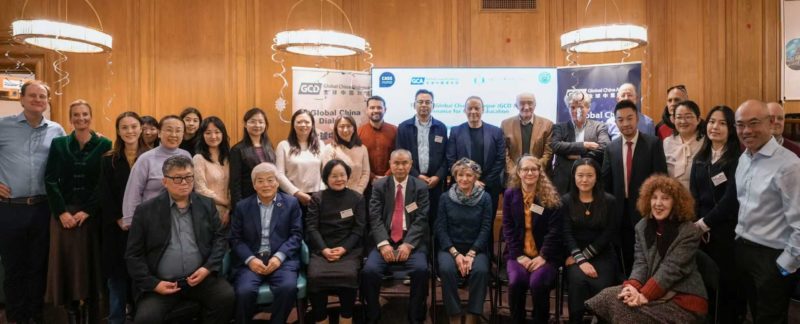
Celebrating the 10th Anniversary of the Global China Dialogue
At the dinner celebrating the 10th Anniversary and the conclusion of the 10th Global China Dialogue, held at Peacock London (临江宴), a prestigious Chinese restaurant on the Westminster bank of the River Thames, GCA Fellow Mr. Ian Stafford chaired the evening session
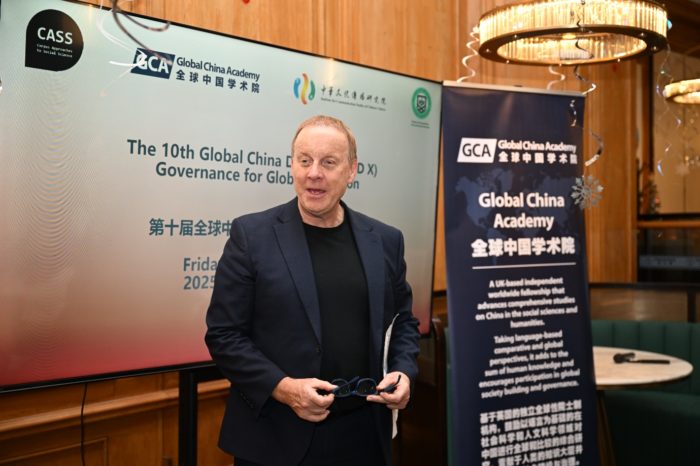
. A multiple award-winning British sportswriter, journalist, and broadcaster, Ian brought both wit and insight to the occasion. Reflecting on his role as host of the 9th Global China Dialogue at Tongji University in Shanghai, he shared vivid memories of his journey in China last year, highlighting how discussions around Artificial Intelligence, education, and global governance have become increasingly interconnected.
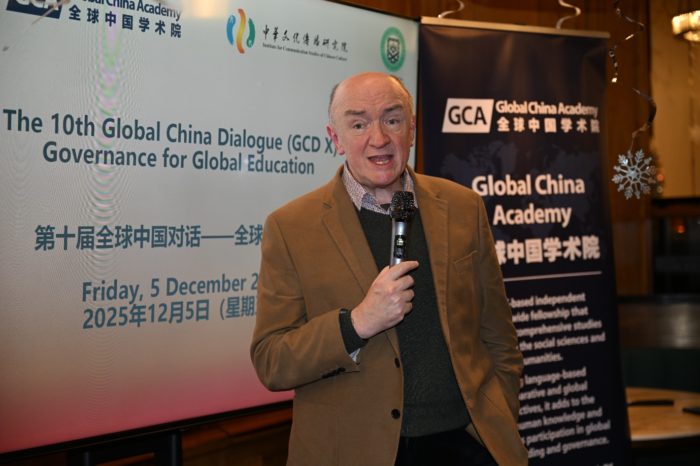
The Chair of Global China Academy, Professor Tony McEnery, FAcSS FRSA FGCA ; Council Member of Academy of Social Sciences; Distinguished Professor of English Language and Linguistics at Lancaster University, delivered greeting speech. He highlighted how Sino–UK cooperation in higher education, particularly through transnational partnerships, plays a vital role in global education governance, demonstrating how balanced, adaptive governance can turn shared challenges—such as technological change, climate crisis, and geopolitical uncertainty—into opportunities for sustainable and mutually beneficial collaboration.
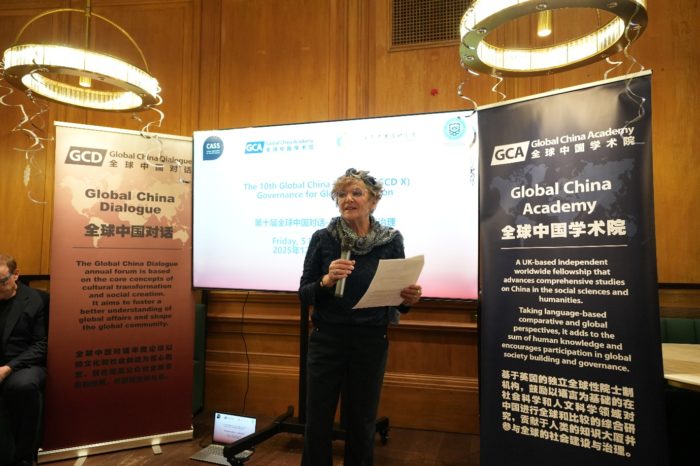
Newly appointed Vice President of Global China Academy, Professor Laurence Roulleau-Berger, FGCA; Emeritus Research Director at National Centre for Scientific Research (CNRS); Professor of Ecole Normale Supérieure de Lyon, Triangle, France 12 Global China Dialogue X Programme delivered greeting speech. She reflected on the success of the 10th Global China Dialogue in advancing governance innovation and cross-cultural learning, while outlining the Academy’s longer-term vision for Post-Western Social Sciences and future dialogue on Global AI and Data Governance.
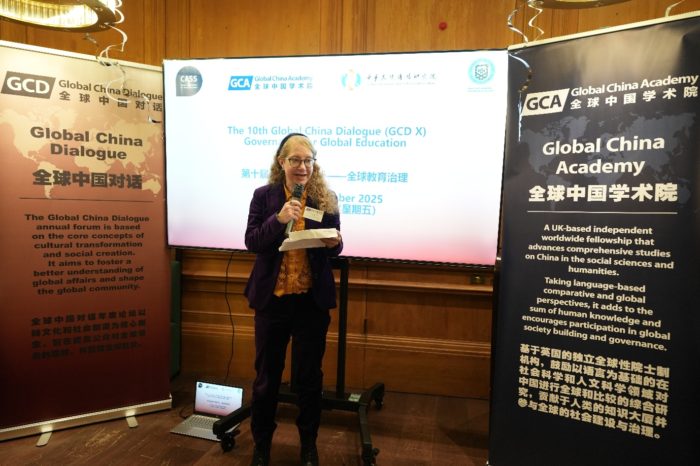
Newly awarded fellow of Global China Academy, Professor Fiona Moore, FGCA, Professor of Business Anthropology at Royal Holloway, University of London, UK also delivered greeting speech. She offered a reflective and forward-looking contribution, encouraging the Global China Academy to engage more deeply with diasporic Chinese identities, Chinese business cultures in a globalised world, and the role of speculative fiction in opening new perspectives on China and global futures.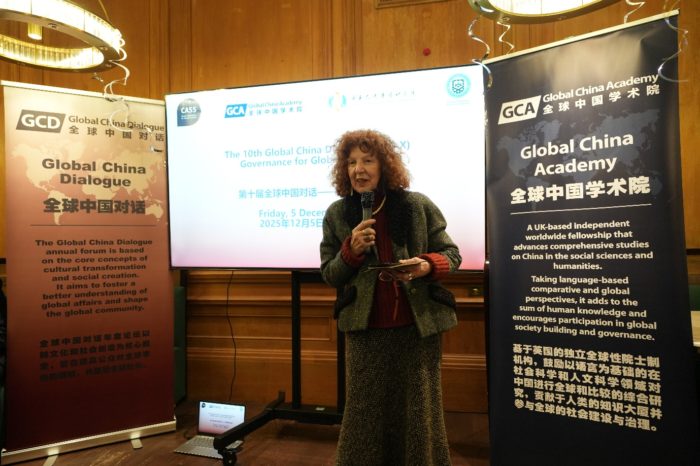
The Chair of GCA Board of Trustees, Professor Maria Jaschok, FGCA, delivered greeting on behalf of Professor David Parkin, FBA FGCA, Emeritus Professor of Social Anthropology at the University of Oxford, Fellow of All Souls College, and former Head of the Institute of Social and Cultural Anthropology (ISCA) and the School of Anthropology and Museum Ethnography (1996–2008), UK. He emphasised the crucial distinction between soft power and hard power, arguing that dialogue, education, and the language of negotiation are essential tools for fostering peaceful global engagement, and positioning the Global China Dialogue as a vital forum for advancing these alternative modes of international interaction.
GCA Trustees, members of the GCA Council, and GCA Fellows who are absent from the event, also shared their greeting via short videos , which was played during the dinner.
Dr Yuan Cheng, Trustee of the GCA Board of Trustees; Greater China Chair, Russell Reynolds Associates, UK
Professor BING Zheng, FGCA and Chinese Chair of the GCA Council; Former Executive Vice-President of Jilin University
Professor Li Wei, FBA FAcSS FGCA and Non-Executive Chair of the GCA Council; Dean and Director of the IOE, UCL’s Faculty of Education and Society
Professor ZHANG Xiaodong, FGCA and Chinese Non-Executive Chair of the GCA Council Executive Director of the Academic Committee of the Chinese Academy of Management Science; CEO of Agile Think Tank
Professor XIE Lizhong, FGCA and Chinese President of GCA; Distinguished Chair Professor and former Head of the Department of Sociology, Peking University; Former Vice-President of the Chinese Sociological Association
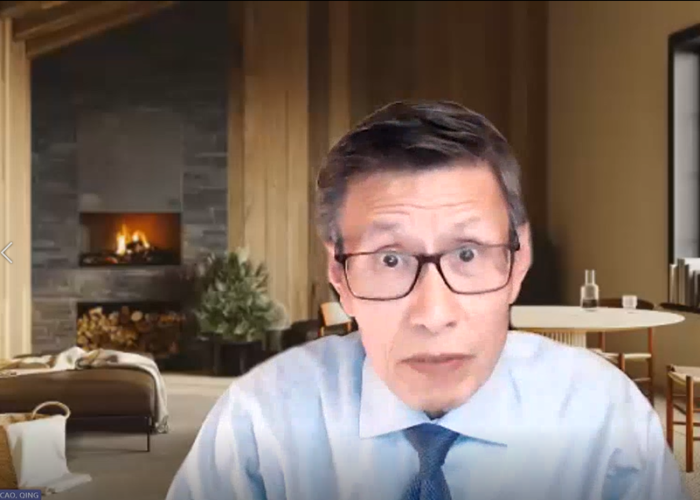
Professor CAO Qing, FGCA and Vice President of GCA; Director of Centre for Comparative Modernities, Durham University, UK
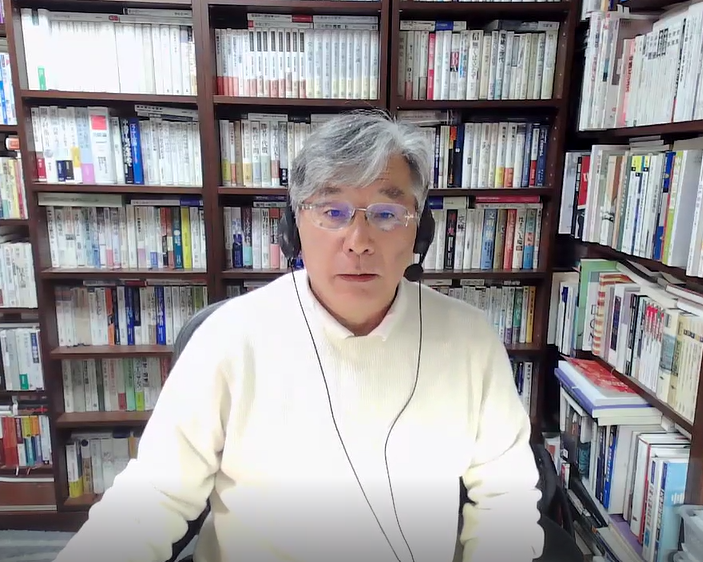
Professor Shigeto Sonoda, FGCA, Vice-President of GCA (Asian engagement); Professor of Comparative Sociology and Asian Studies, Institute for Advanced Studies on Asia, University of Tokyo, Japan
Professor LI Boyi, Associate Fellow and Secretary of the Chinese Council, Global China Academy; Director of Digital Economy and Sustainable Development Institute (DESDiN), School of Business Administration, Nanjing University of Finance and Economics, China
Professor WU Yan FHEA FLSW, Secretary of GCA Council; Associate Professor in Media and Communication Studies, Swansea University, UK
Professor Robin Cohen FGCA, Emeritus Professor and Former Director of the International Migration Institute, University of Oxford, UK (sociology)
Professor Prasenjit Duara FGCA, Distinguished Professor of East Asian Studies, Duke University, USA (history / Asian studies)
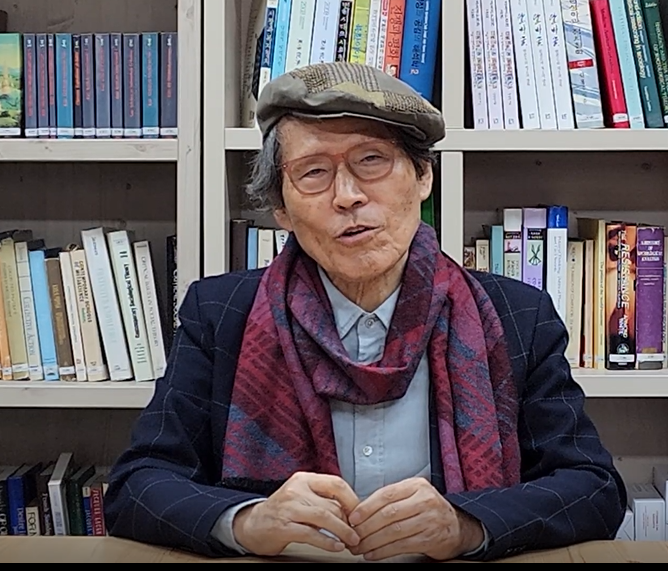
Professor HAN Sang-Jin FGCA, Chairman of Joongmin Foundation, Seoul National University, Korea (sociology)
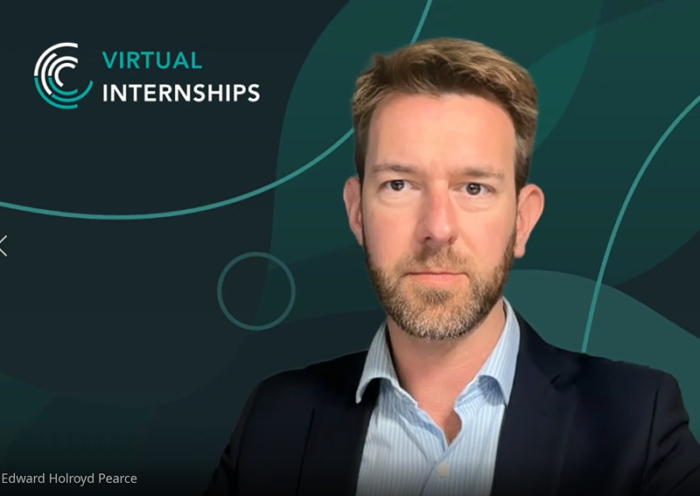
Edward W Holroyd Pearce, Assoacate Fellow of Global China Academy; Co-founder and President of Virtual Internships in the UK
Professor HOU Shiyuan FGCA, Academician and former Associate President and former Director of the Institute of Ethnology and Anthropology at Chinese Academy of Social Sciences, China (anthropology and ethnology)
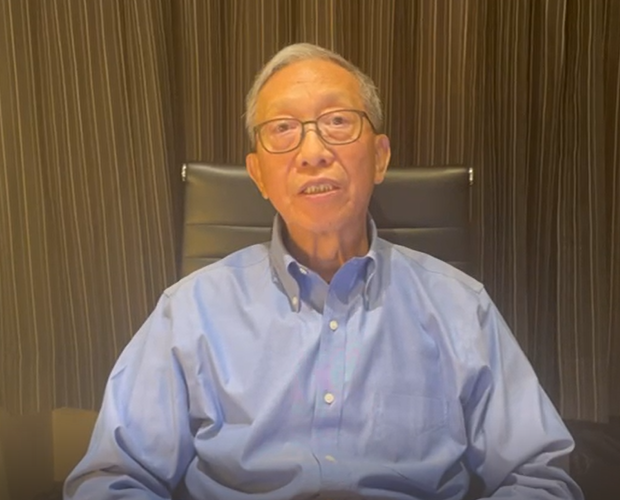
Professor Chenggang Xu FGCA, Senior Research Scholar at the Stanford Center on China’s Economic and Institutions and a Visiting Fellow at Hoover Institution of Stanford University, USA (economics)
Other speakers, accepted the conference invitation or had their abstracts accepted but are unable to travel to the UK to attend in person, had their short video recordings with English and Chinese subtitles played. They are:
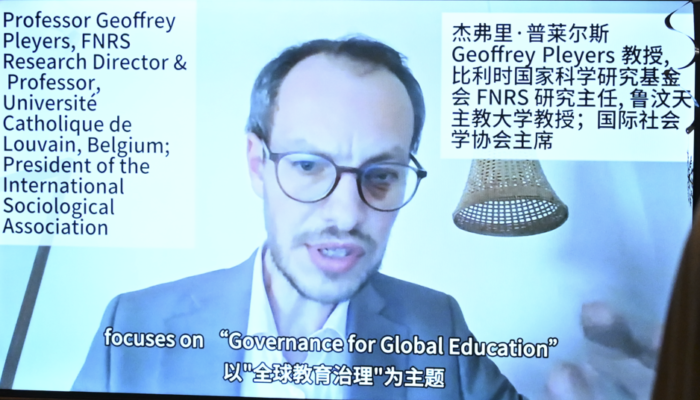
Professor Geoffrey Pleyers, FNRS Research Director and Professor, Université Catholique de Louvain, Belgium; President of the International Sociological Association (Greeting)
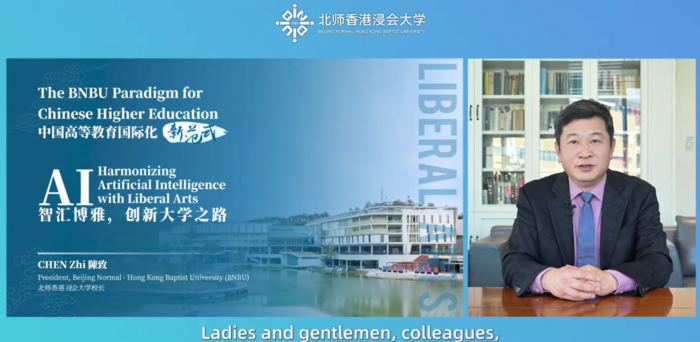
Professor CHEN Zhi, FHKAH, President of Beijing Normal–Hong Kong Baptist University (BNBU), China (Greeting)
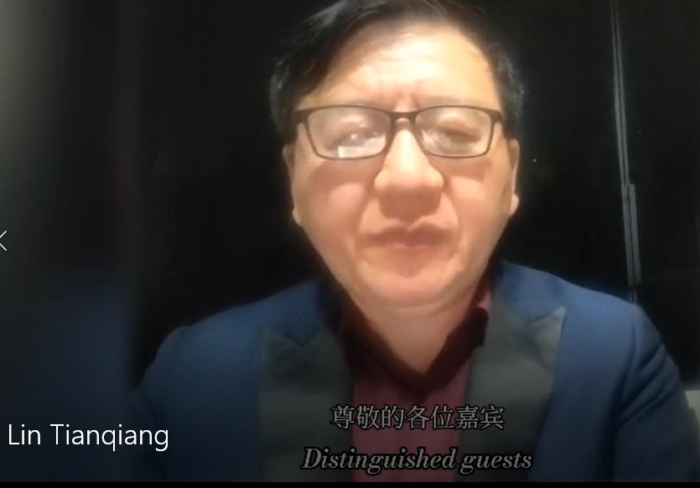
Professor LIN Tianqiang, CEO and Director of Beijing Eternal Love Film & Media Co., Ltd; Chair of Digital Culture Industry and Finance Committee, China Cultural Information Association (CCIA); Former Deputy Director of Institute for Internet Industry, Tsinghua University, China
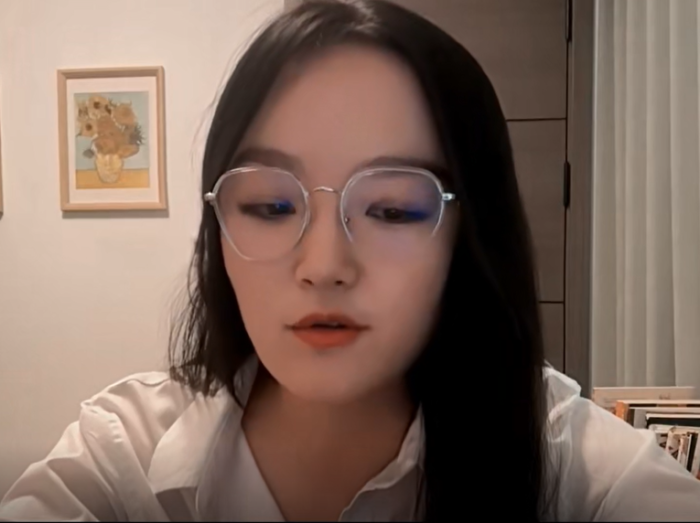
Ms Beibei Gao, PhD candidate at the Lau China Institute, King’s College London, UK
Ms LI Rongwei, PhD candidate of the Institute of High Education, Fudan University, UK
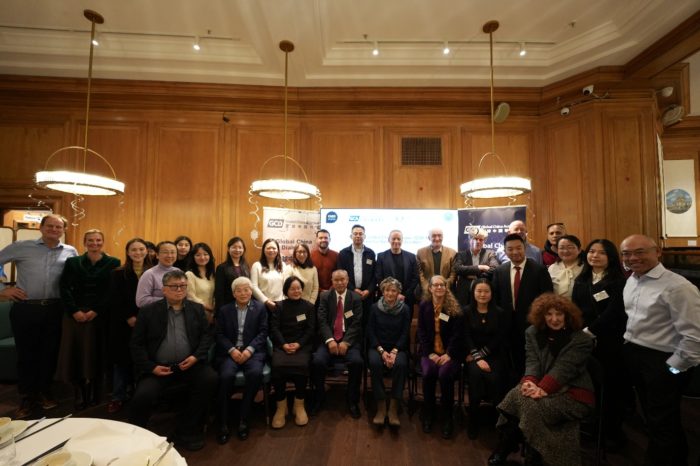
The event concluded with the announcement that the 11th Global China Dialogue (GCD11) will focus on Global AI and Data Governance, continuing the Academy’s commitment to advancing dialogue on the most urgent governance challenges facing an interconnected world.
- Click here to visit the GCD10 Website.
- Click here to view A celebratory dinner marked the conclusion of GCD10
- Click here to visit New Fellowships awarded in 2025
- Click here to visit GCA Fellowship section.
- Click here to learn more about the 9th Global China Dialogue was successfully held in Shanghai.
- Click here to visit the 9th GCD webpage.
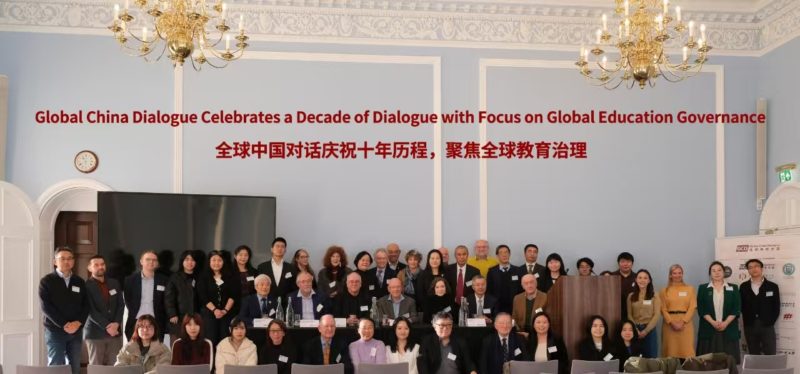
The 10th Global China Dialogue Successfully Held at the British Academy
The 10th Global China Dialogue (GCD X) is scheduled to take place on 5th December 2025 at the British Academy in London, UK. Marking the 10th anniversary of the Dialogue, the forum returns to the UK after the 9th session was successfully held in Tongji University (Shanghai, China), reaffirming its role as a platform for sustained global dialogue on China and international governance in education.
As a cornerstone for achieving social justice, fostering global prosperity, and responding to future transformations, education increasingly relies on cross-border collaboration, multi-stakeholder engagement, and technological empowerment. In the context of emerging technologies such as artificial intelligence and big data reshaping educational models and learning ecosystems, global education governance is facing unprecedented challenges and opportunities.
This Dialogue will provide an inclusive platform for policymakers, scholars, educators, business leaders, and international organizations to engage in meaningful exchange on new visions, mechanisms, and pathways for global education governance. A key dimension throughout the discussions will be the comparative analysis of national education systems and governance cultures, aimed at promoting cross-cultural understanding and mutual learning, and enriching both the theoretical foundation and practical knowledge of global education governance.
GCD X includes the following four panels:
- Panel 1: Governance Innovation and Technological Empowerment
- Panel 2: Educational Equity, Inclusion, and Quality Assurance
- Panel 3: Global Education Policy and International Cooperation
- Panel 4: Education Financing and Sustainable Development
Friday, 08:30-17:00, 5 December 2025 at Tongji University
Opening session
Greetings
Chair: Professor Tony McEnery, FAcSS FRSA FGCA and Chair of Global China Academy Fellow; Council Member of Academy of Social Sciences; Distinguished Professor of English Language and Linguistics at Lancaster University.
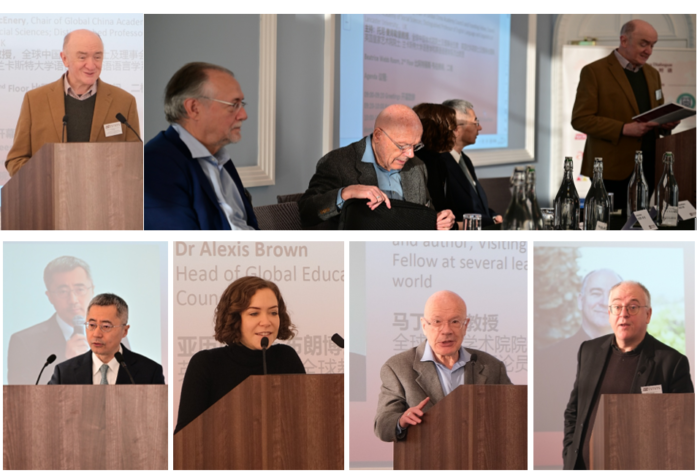
Speakers (from left to right):
- Minister Wang Qi, Embassy of the People’s Republic of China in the United Kingdom
- Dr Alexis Brown, Head of Global Education Insights at the British Council, UK
- Professor Martin Jacques, FGCA, British scholar, journalist, political commentator and author; and Visiting Professor or Senior Research Fellow at several leading universities around the world
- Professor Kerry Brown, FGCA, Director of the Lau China Institute, King’s College London, UK
Keynotes speeches
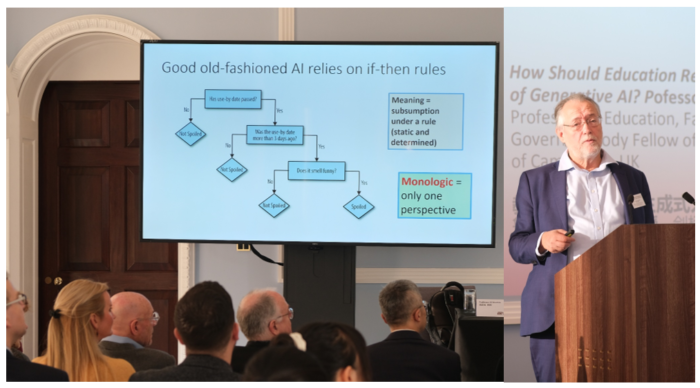
How Should Education Respond to the Challenge of Generative AI? Professor Rupert Wegerif (above), Professor of Education, Faculty of Education, Governing Body Fellow of Hughes Hall, University of Cambridge, UK
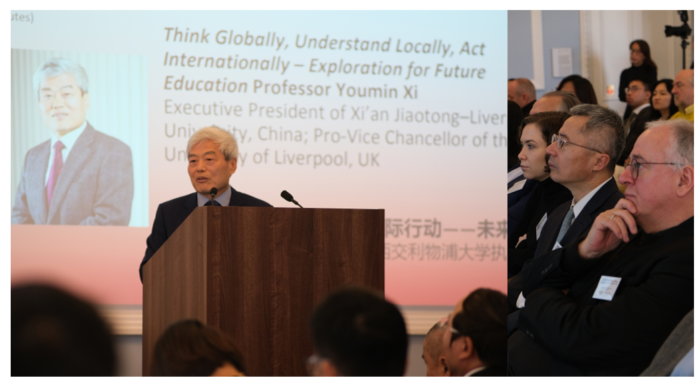
Think Globally, Understand Locally, Act Internationally – Exploration for Future Education, Professor Youmin Xi, Executive President of Xi’an Jiaotong–Liverpool University, China; Pro-Vice-Chancellor of the University of Liverpool, UK
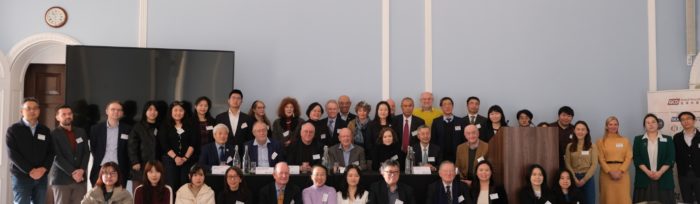
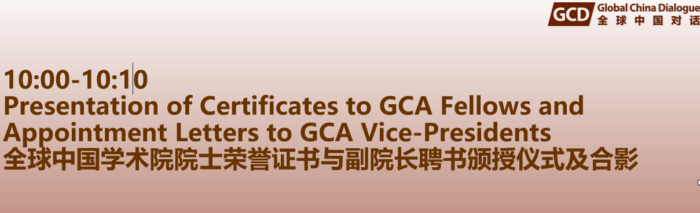
Group photo at the end of the Opening Session and then followed by GCA Fellowship Award Ceremony 2025
After the opening session of the 10th Global China Dialogue (GCD X), new GCA fellowships were awarded. Since 2021, the Global China Academy successfully completed its institutional transformation, establishing an academy system with Fellows at its core and publishing and dialogue as its two principal platforms. This transformation has provided a solid institutional foundation and affirmed the Academy’s leadership in research on China from global and comparative perspectives. Through a formal Fellow selection mechanism, together with English and Chinese dual language publications and a series of global dialogue forums, the Global China Academy has established an open, high-level platform dedicated to fulfilling its dual mission: advancing human knowledge as its academic mission and contributing to global governance as its social mission. Click here to see the full list of recipients.
Panel I: Governance Innovation and Technological Empowerment
Chair and discussant: Professor Madeline Carr FGCA, Secretary of GCA Board of Trustees; Professor of Global Politics and Cybersecurity at University College London, UK
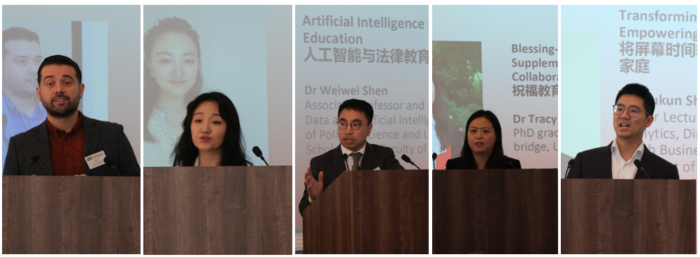
Plenary speakers (from left to right):
- Developing Critical AI Literacies in Language Education, Dr Niall Curry FRSA FGCA SFHEA, Reader in Languages and Linguistics and UKRI Metascience AI Fellow, School of English, Manchester Metropolitan University, UK.
- Artificial Intelligence for EFL Education: Pedagogical Benefits, Challenges, and Future Directions, Frances Yiying Zhang, Lecturer in Chinese Studies and Departmental Academic Convenor at Goldsmiths, University of London, UK
- Artificial Intelligence and the Future of Legal Education, Dr SHEN Weiwei, Associate Professor and Director of the Centre for Big Data and Artificial Intelligence Law at China University of Political Science and Law, China; currently a Visiting Scholar at the Faculty of Law, University of Oxford, UK
- Blessing-Centred Education: The Humanistic Supplement of Technological Empowerment in Collaborative Governance, Dr Tracy Liu, PhD graduate, King’s College, University of Cambridge, UK
- Transforming Screen Time into Philosophy Time: Empowering Families through Inquiry-Based Learning, Yukun Shi, Senior Lecturer in Accounting and Finance with Data Analytics, Director of postgraduate research at Adam Smith Business School, University of Glasgow, UK; President of the Chinese Economy Association (Europe)
Panel II: Educational Equity, Inclusion, and Quality Assurance
Chair and discussant: Professor Maria Jaschok, FGCA, Chair of GCA Board of Trustees; Senior Research Associate of the Contemporary China Studies Programme, University of Oxford
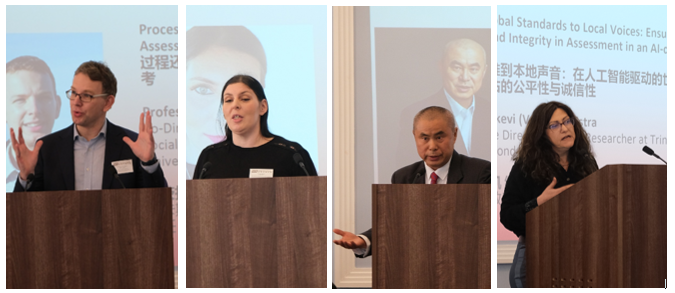
Plenary speakers (from left to right):
- Process or Product? Rethinking Language Learning and Assessment in the Age of AI, Professor Vaclav Brezina, Co-Director of ESRC Centre for Corpus Approaches to Social Science, School of Social Sciences, Lancaster University
- Beyond Inclusion: The Equity Blueprint and the Transformation of Educational Systems, Lucy Robin, ABC Parents Child Health Champions Lead, Every Parent & Child, London; creator of The Equity Blueprint, a governance framework
- Can Education Bring a Better Life? – Lessons from Minority Girls’ Schooling on the China Myanmar Border, Professor TENG Xing, Professor at the School of Education, Minzu University of China; founder and inaugural Chair of the Education Anthropology Committee of the China Ethnology and Anthropology Association
- From Global Standards to Local Voices: Ensuring Equity and Integrity in Assessment in an AI-driven World, Dr Paraskevi (Voula) Kanistra, Associate Director/Senior Researcher at Trinity College London, UK
Panel III: Global Education Policy and International Cooperation
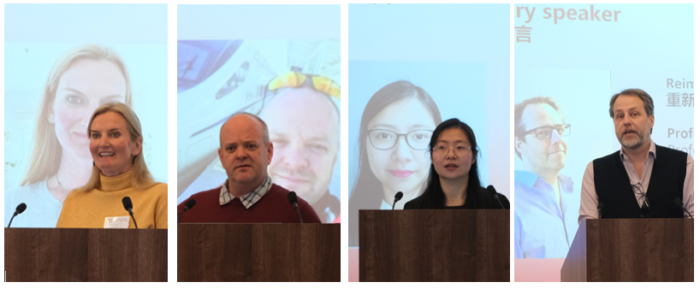
Chair and discussant: Professor Peter Schroeder, FGCA and Vice-President of Global China Academy, Professor of the History of Political Thought, Department of History, University College London
Plenary speakers (from left to right)
- Global Englishes and Education Policy: Rethinking International Cooperation in Higher Education, Professor Nicola Galloway, School of Education, Faculty of Humanities, Arts and Social Sciences, University of Exeter, UK
- Teaching Between Systems: What Transcultural Classroom Experience Can Contribute to Global Education Policy, Richard Anthony Ridealgh, PhD candidate in Education at the University of Manchester, UK; Curriculum Director and Senior Head Teacher at Barbara’s Academy, Shenyang, China
- A Comparative Study of Japanese and Chinese Language Promotion Policies in UK Higher Education, Yi Yang, Chinese lecturer at Regent’s University London and a PhD student at Durham University, UK
- Reimagining Internationalization, Professor Steven Jones, Professor of Higher Education, Manchester Institute of Education, University of Manchester, UK
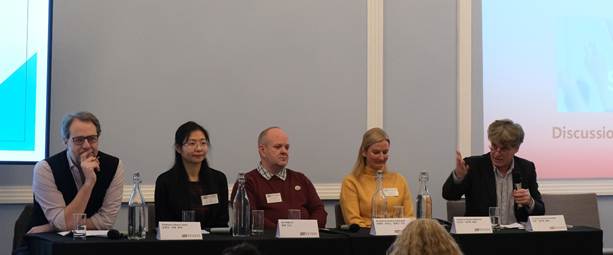
A Q&A session was hosted by the chair and plenary speakers
Panel IV: Panel IV Education Financing and Sustainable Development
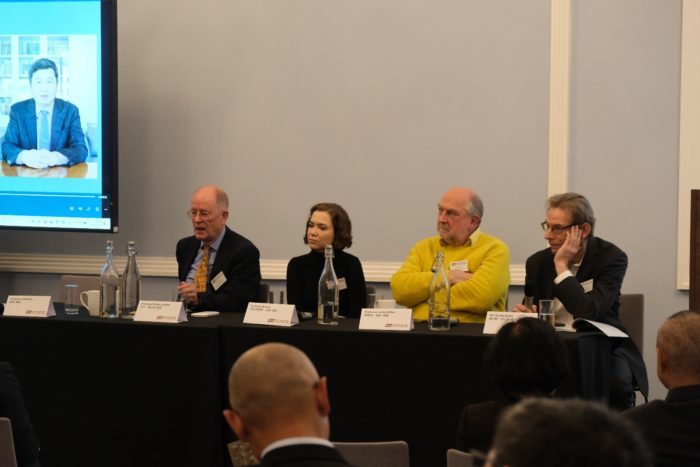
Chair and discussant: Mr. Charles Grant, Trustee of the Global China Academy Broad of Trustees and Director of the Centre for European Reform
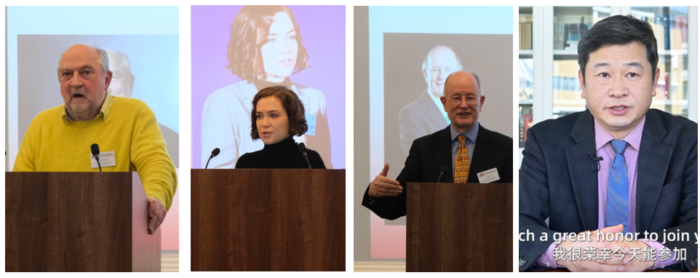
Plenary speakers (from left to right)
- An Educational Response to the Climate and Nature Emergency, Professor Justin Dillon, Professor of Science and Environmental Education, IOE, University College London, UK
- The Chinese research landscape: trends in UK–China collaboration, Dr Alexis Brown, Head of Global Education Insights at the British Council, UK
- Beyond Funding: How Digital Ecosystems Shape the Sustainability of UK–China Educational Exchange, Professor Martin Lockett, Department of International Business and Management, former Dean of Faculty of Business at University of Nottingham Ningbo China
- AI and Liberal Arts Education: The BNBU Paradigm in China and its Global Outreach, Professor CHEN Zhi, FHKAH, President of Beijing Normal–Hong Kong Baptist University (BNBU), China (video)
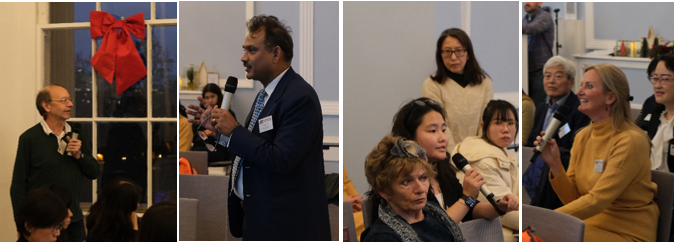
A Q&A session was hosted by the chair and plenary speakers
Closing session
Chair: Professor Xiangqun Chang ( Right) FRSA FGCA and President of Global China Academy, Honorary Professor of University College London (2015–20), Distinguished Professor of Nankai University
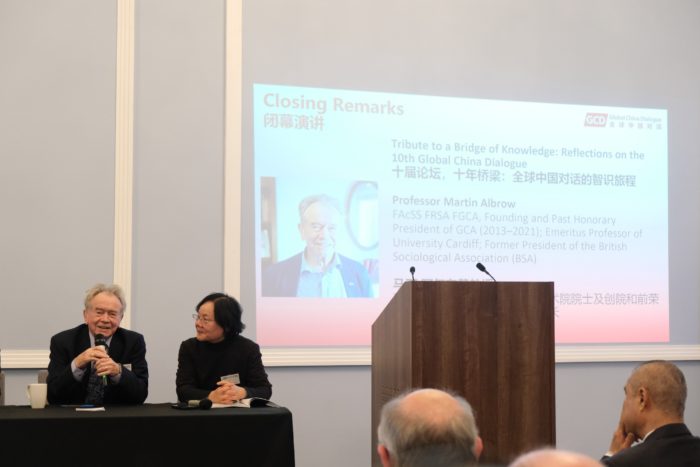
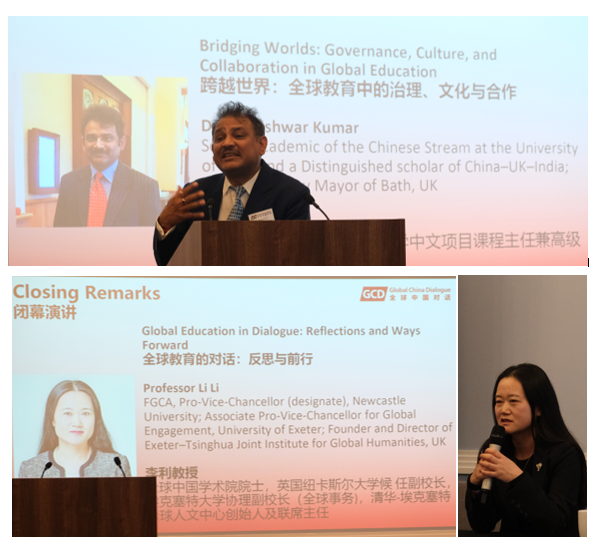
Closing remarks:
- Tribute to a Bridge of Knowledge: Reflections on the 10th Global China Dialogue, Professor Martin Albrow (Top Left) , FAcSS FRSA FGCA, Founding and Past Honorary President of GCA (2013– 2021); Emeritus Professor of University Cardiff; Former President of the British Sociological Association (BSA)
- Bridging Worlds: Governance, Culture, and Collaboration in Global Education, Dr Yukteshwar Kumar (Middle) , Senior Academic of the Chinese Stream at the University of Bath and a distinguished scholar of China-UK-India; Former Deputy Mayor of Bath, UK
- Global Education in Dialogue: Reflections and Ways Forward, Professor Li Li (Bottom) FGCA, Pro-Vice-Chancellor (designate), Newcastle University; Associate Pro-Vice-Chancellor for Global Engagement, University of Exeter; Founder and Director of Exeter–Tsinghua Joint Institute for Global Humanities, UK
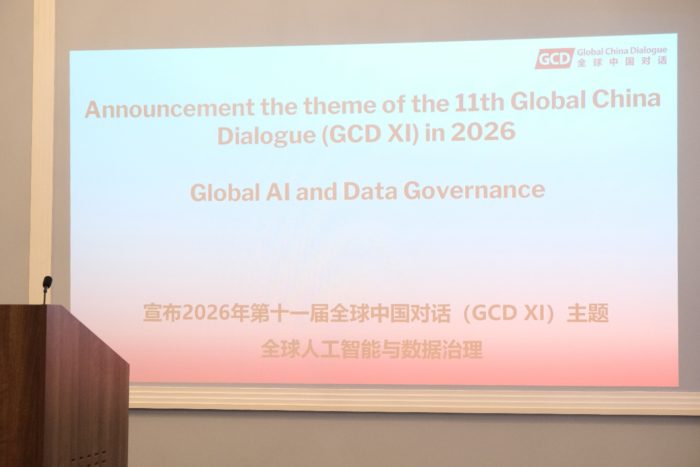
The event concluded with the announcement that the 11th Global China Dialogue (GCD11) will focus on Global AI and Data Governance, continuing the Academy’s commitment to advancing dialogue on the most urgent governance challenges facing an interconnected world.
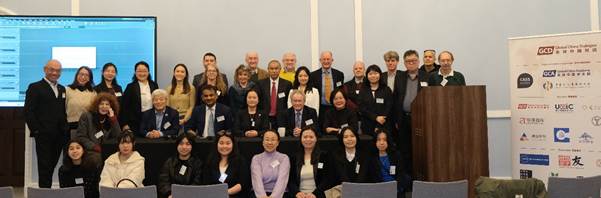 The Global China Academy (GCA) extends its sincere gratitude to the volunteer team and all participants for their invaluable contributions to the success of the 10th Global China Dialogue. A group photograph was taken to mark the 10th anniversary of the Global China Dialogue, celebrating a decade of sustained dialogue and collaboration.
Throughout the day, participants engaged in lively conversations during registration, tea breaks, and lunch, creating valuable opportunities for informal exchange and networking across disciplines and regions. (Below)
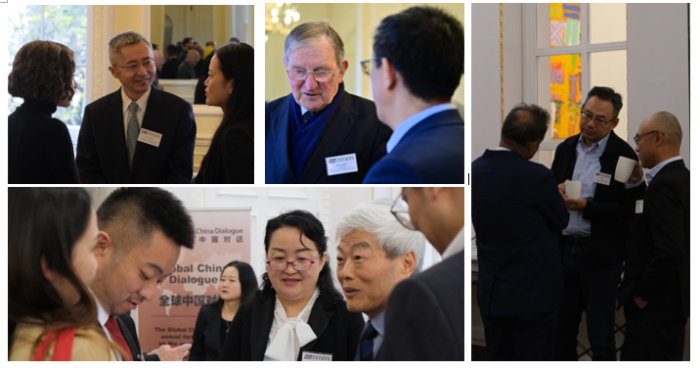
Dinner: Celebrating the Newly Awarded GCA Fellowships and the Conclusion of the 10th Global China Dialogue at Peacock London, County Hall, Westminster, London(see a separate webpage).
- Click here to visit the GCD10 Website.
- Click here to view A celebratory dinner marked the conclusion of GCD10
- Click here to visit New Fellowships awarded in 2025
- Click here to visit GCA Fellowship section.
- Click here to learn more about the 9th Global China Dialogue was successfully held in Shanghai.
- Click here to visit the 9th GCD webpage.
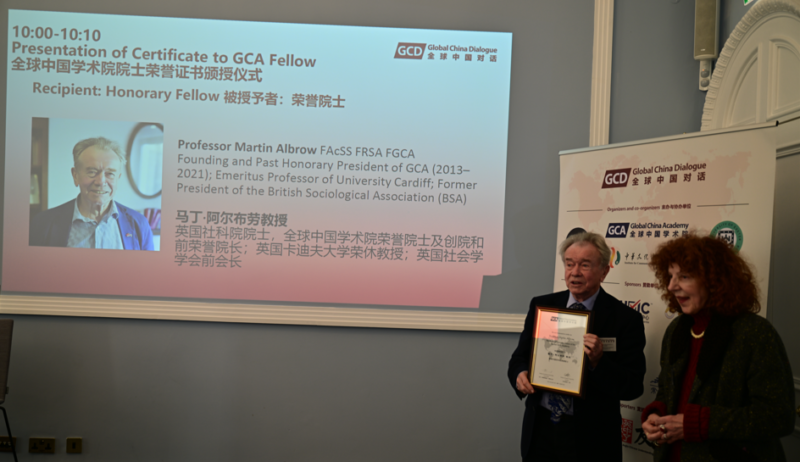
GCA Fellowship Awards Ceremony 2025
The 10th Global China Dialogue (GCD X) is scheduled to take place on 5th December 2025 at the British Academy in London, UK. After the opening session of the 10th Global China Dialogue (GCD X), new GCA fellowships were awarded.
Professor Maria Jaschok, FGCA, Chair of GCA Board of Trustees; Senior Research Associate of the Contemporary China Studies Programme, University of Oxford, presented certificates to GCA Fellows. 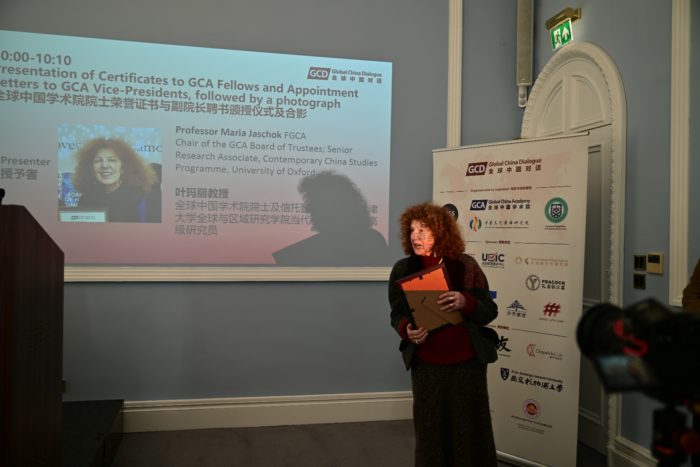
Recipients- Fellows:
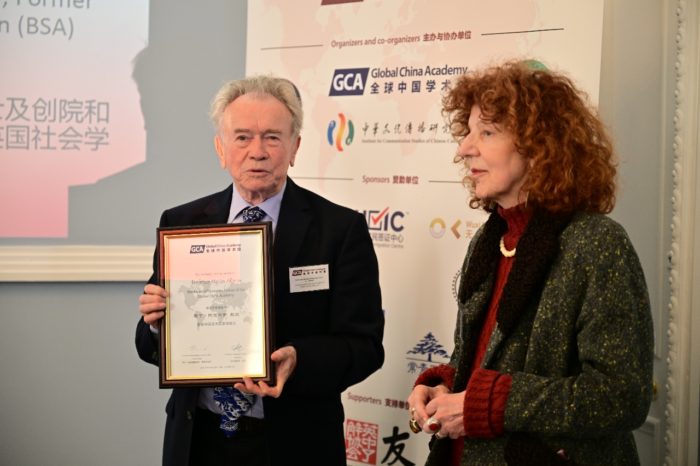
Professor Martin Albrow, FAcSS FRSA FGCA, Emeritus Professor of University Cardiff; former President of the British Sociological Association (BSA); Founding and Past Honorary President of GCA
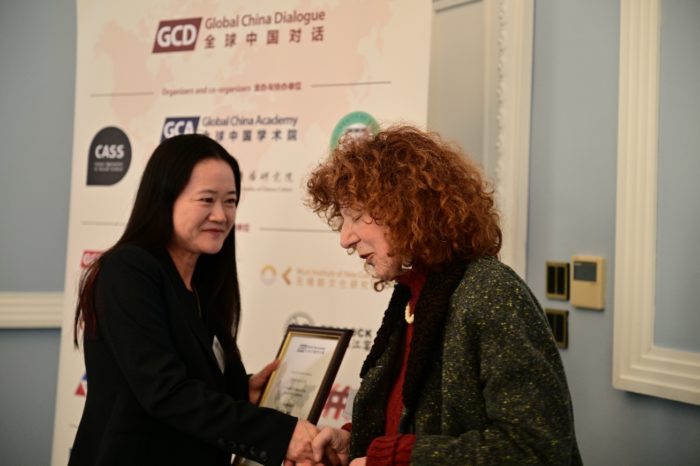
Professor Li Li, FGCA, Pro-Vice-Chancellor (designate), Newcastle University; Associate Pro-Vice-Chancellor for Global Engagement, University of Exeter; Founder and Director of Exeter–Tsinghua Joint Institute for Global Humanities, UK
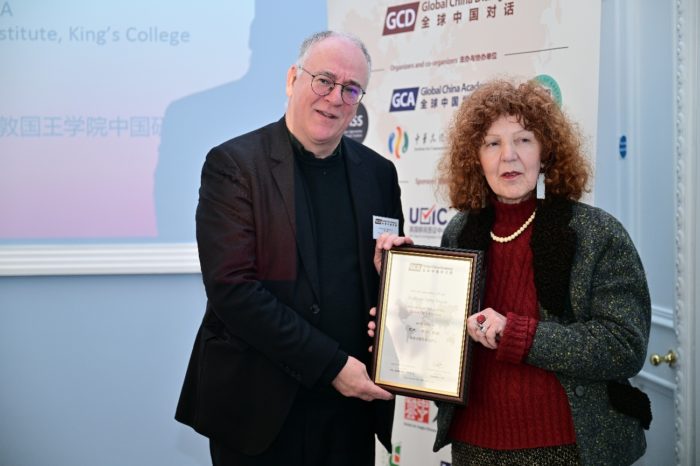
Professor Kerry Brown, FGCA, Director of the Lau China Institute, King’s College London
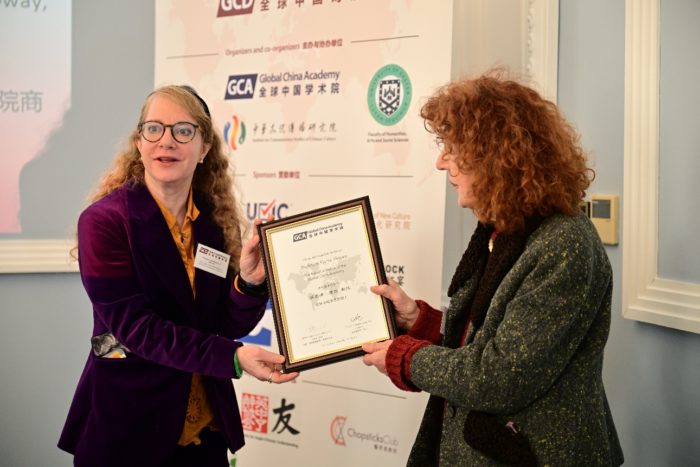
Professor Fiona Moore, FGCA, School of Business and Management, Royal Holloway, University of London
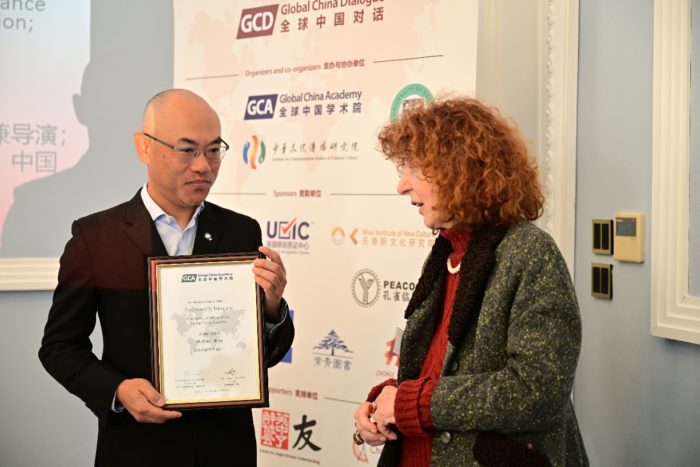
Professor LIN Tianqiang, CEO and Director of Beijing Eternal Love Film & Media Co., Ltd; Chair of Digital Culture Industry and Finance Committee, China Cultural Information Association (CCIA); Former Deputy Director of Institute for Internet Industry, Tsinghua University, China ( Mr. Kai Liang, GCA Event Officer, accepted the award in his absence)
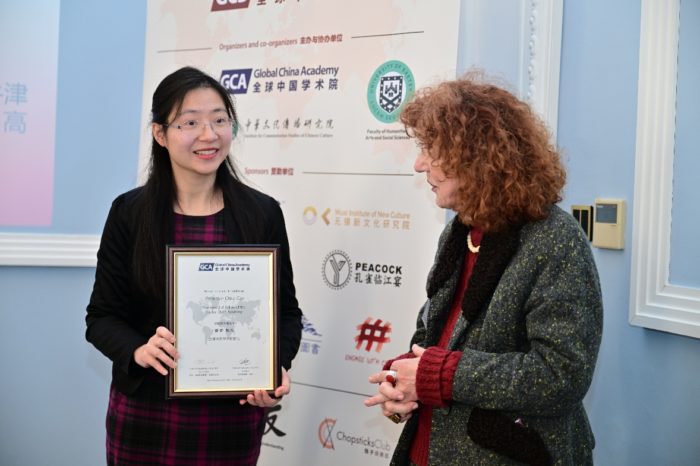
Professor Qing Cao, FGCA, Director of the Centre forComparative Modernities of Durham University, UK ( Ms. Yi Yang, accepted the award in his absence) 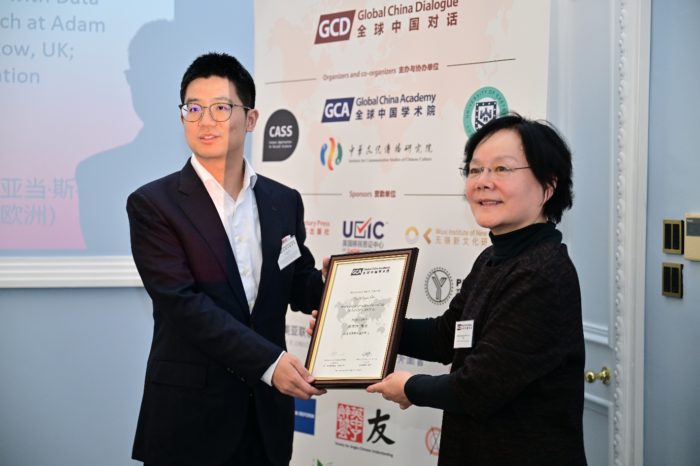
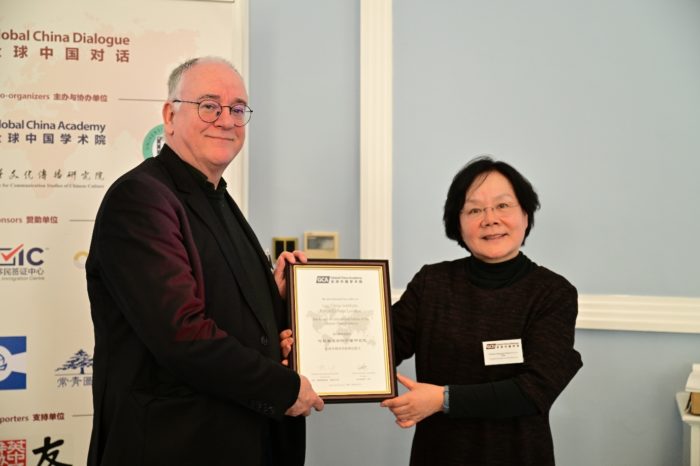
Professor Xiangqun Chang FRSA FGCA, President of the Global China Academy, Honorary Professor of University College London (2015-20), presented certificates to GCA associate fellow to Dr. Yukun Shi, Senior Lecturer in Accounting and Finance with Data Analytics, Director of postgraduate research at Adam Smith Business School, University of Glasgow; President of the Chinese Economy Association (Europe)
Professor Xiangqun Chang FRSA FGCA, President of the Global China Academy, presented certificates to GCA institutional fellows: Lau China Institute, King’s College London
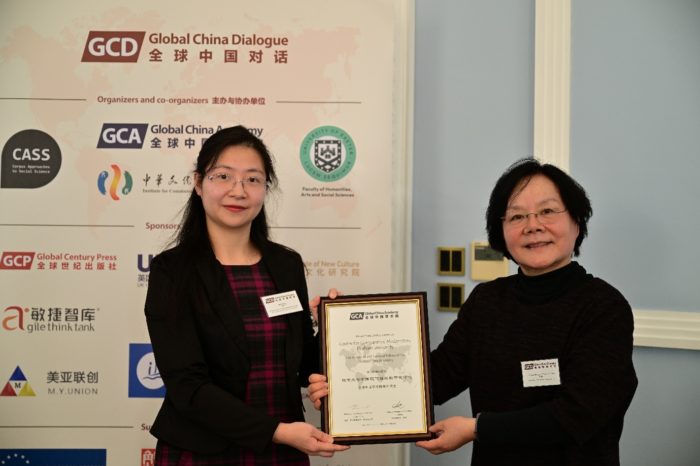
Centre for Comparative Modernities, Durham University
Appointment of GCA Vice-President
Professor Laurence Roulleau-Berger, FGCA; Emeritus Research Director at National Centre for Scientific Research); French Director, Sino–European International Advanced Laboratory ‘Post-Western Sociology in Europe and in China’ (ENS Lyon / Chinese Academy of Social Sciences), France, was appointed as Vice-President of GCA. 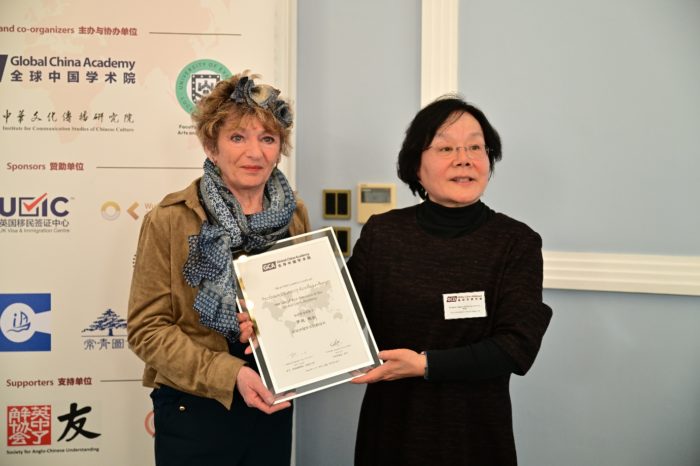
Professor Xiangqun Chang presented the appointment letter to Professor Laurence Roulleau-Berger
All the existing and newly awarded GCA Fellows, Associate Fellows, and representatives Institutional Fellows and attendees gathered on the stage to celebrate their achievements and witness the formal conferral of honours, reinforcing the spirit of academic excellence and collaboration.
- Click here to visit the GCD10 Website.
- Click here to visit the 10th Global China Dialogue
- Click here to view A celebratory dinner marked the conclusion of GCD10
- Click here to visit GCA Fellowship section.
- Click here to learn more about the 9th Global China Dialogue was successfully held in Shanghai.
- Click here to visit the 9th GCD webpage.